
ADU Builder in San Mateo, Built to the City's Code
Design, permitting, and construction under one license — from a team based a few miles away in Redwood City.
ADU Construction for San Mateo Homeowners
Bark and Build Builders is a licensed design-build contractor based in Redwood City, a short drive down the Peninsula. We design, permit, and build ADUs, junior ADUs, garage conversions, and additions for San Mateo homeowners, with one team accountable from the first site visit to the final inspection.
San Mateo's ADU rules are more permissive than many homeowners assume. The city allows up to three accessory units on a single-family lot, requires no off-street parking for any of them, and waives setbacks entirely for a garage converted within its existing footprint. Those rules shape what's worth building — and they're the part most people get wrong.
The City of San Mateo and the County of San Mateo are separate jurisdictions with separate ADU codes. County rules apply only to unincorporated areas. If your address is inside city limits, the city's code governs — and several widely read ADU guides mix the two up. Everything on this page refers to the city's rules.
Licensed by the CSLB under #1119304 — active & publicly verifiable.
Up to Three Units on One Lot
A single-family lot in San Mateo can carry any combination of three accessory units: one attached or conversion ADU, one detached new-construction ADU, and one junior ADU built within the walls of the main house.
That changes the planning question. Rather than "can I fit an ADU," it becomes "which combination suits this lot and how we'll use it" — a detached backyard unit for rental income alongside a JADU for a family member, say, or a garage conversion paired with a new detached unit.
Size is governed by the lot's floor area ratio, with a useful exemption: up to 800 square feet of ADU living area doesn't count against the lot's FAR allowance. An ADU generally can't exceed the main house in living area. We work out what the numbers allow on your specific parcel during feasibility, before any design money is spent.
Why Garage Conversions Work Well in San Mateo
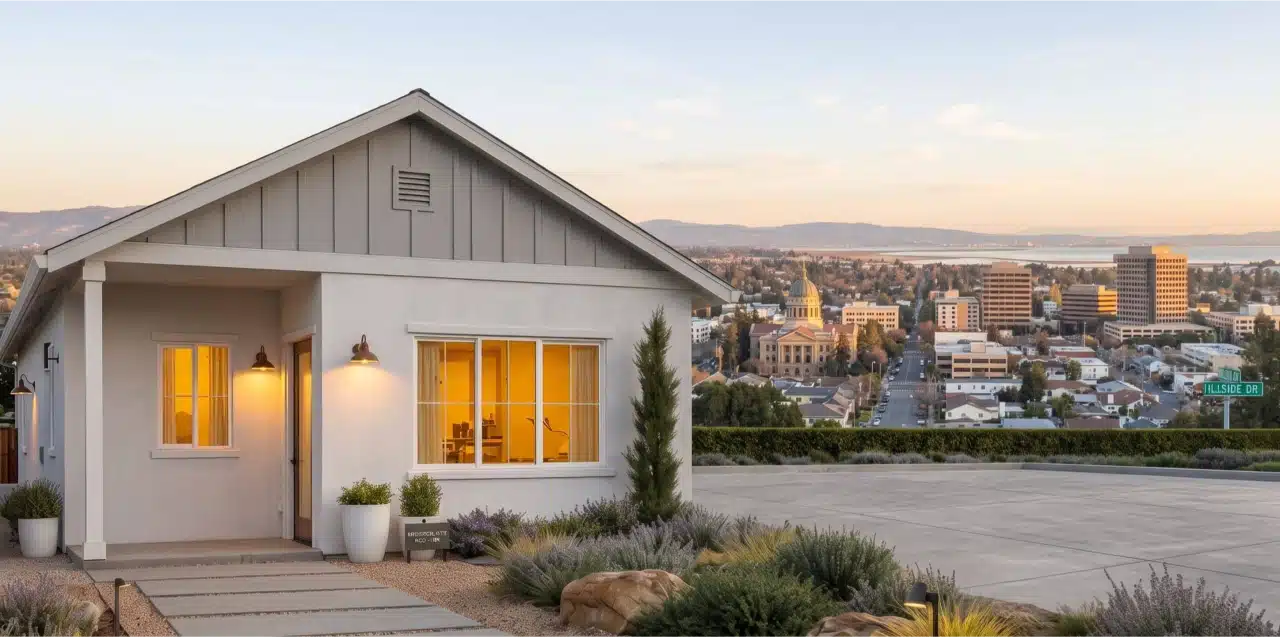
San Mateo's code is unusually favorable to garage conversions, for three reasons.
No setback applies when an existing garage is converted in the same location and to the same dimensions, footprint, and height. A garage sitting right on the property line stays exactly where it is.
No replacement parking is required. When a garage or carport is converted to an ADU, the city doesn't require you to replace the lost parking for the main house — and the existing driveway can stay.
Room to add an entrance. A conversion within existing walls isn't subject to size limits, and can expand up to 150 square feet beyond the footprint to accommodate ingress and egress.
The work that remains is the structural and building-science side: slab condition, moisture, headroom, insulation, and utilities. Our garage conversion versus detached ADU guide sets out the trade-offs.
San Mateo ADU Rules at a Glance
The standards that most often decide what can be built on a single-family lot.
Side and rear setbacks
Required for new ADU construction, including a unit built above an existing garage. None applies to a same-footprint conversion, or to a detached unit in the rear third of the lot that meets the accessory-structure rules.
Detached ADU height
18 feet to the top plateline and 24 feet to the roof peak, measured from existing grade. Attached ADUs are allowed 24 feet to the plateline and 32 feet to the peak.
Exempt from FAR
Up to 800 square feet of ADU living area doesn't count toward the lot's floor area ratio. Beyond that, the zoning district's FAR and the remaining floor area on the lot govern size.
Parking spaces required
No off-street parking is required for any ADU or JADU. You can provide up to two voluntary spaces per unit, and uncovered parking can sit within the setback areas.
Separate entrance
Every ADU needs its own exterior entrance. An interior connection to the main house is permitted but not required.
Second-story privacy
For non-exempt two-story units, windows within five feet of a neighboring residential lot need obscured glazing, rooftop decks aren't allowed, and balconies are capped at 50 square feet and can't face neighbors.
Source: City of San Mateo Municipal Code §27.19.060, as amended in 2026. Rules change — we confirm current requirements for every project.
Permitting in San Mateo
San Mateo amended its ADU chapter in 2026. Separately, a 2024 state review had found parts of the city's earlier ordinance out of step with California ADU law. The practical lesson is that rules which were accurate a year or two ago may not be now — and that's one reason third-party guides disagree with each other.
We check the current code against your parcel before drawing, then prepare the full submission: architectural sheets, structural calculations, and Title 24 energy documentation, all consistent with each other. Structural elements are stamped by or coordinated with a California-licensed engineer.
For the wider picture, see our guides to ADU permitting in San Mateo County and San Mateo County ADU rules — useful background, though as noted above, the city's own code is what governs addresses inside city limits.

Feasibility Through Final Inspection
The San Mateo County ADU Resource Center puts most ADU projects at 12 to 18 months from planning to completion. Here's where that time goes.
Additions and Remodels in San Mateo
Not every project needs a separate unit. Sometimes the right answer is more space in the house you already have.
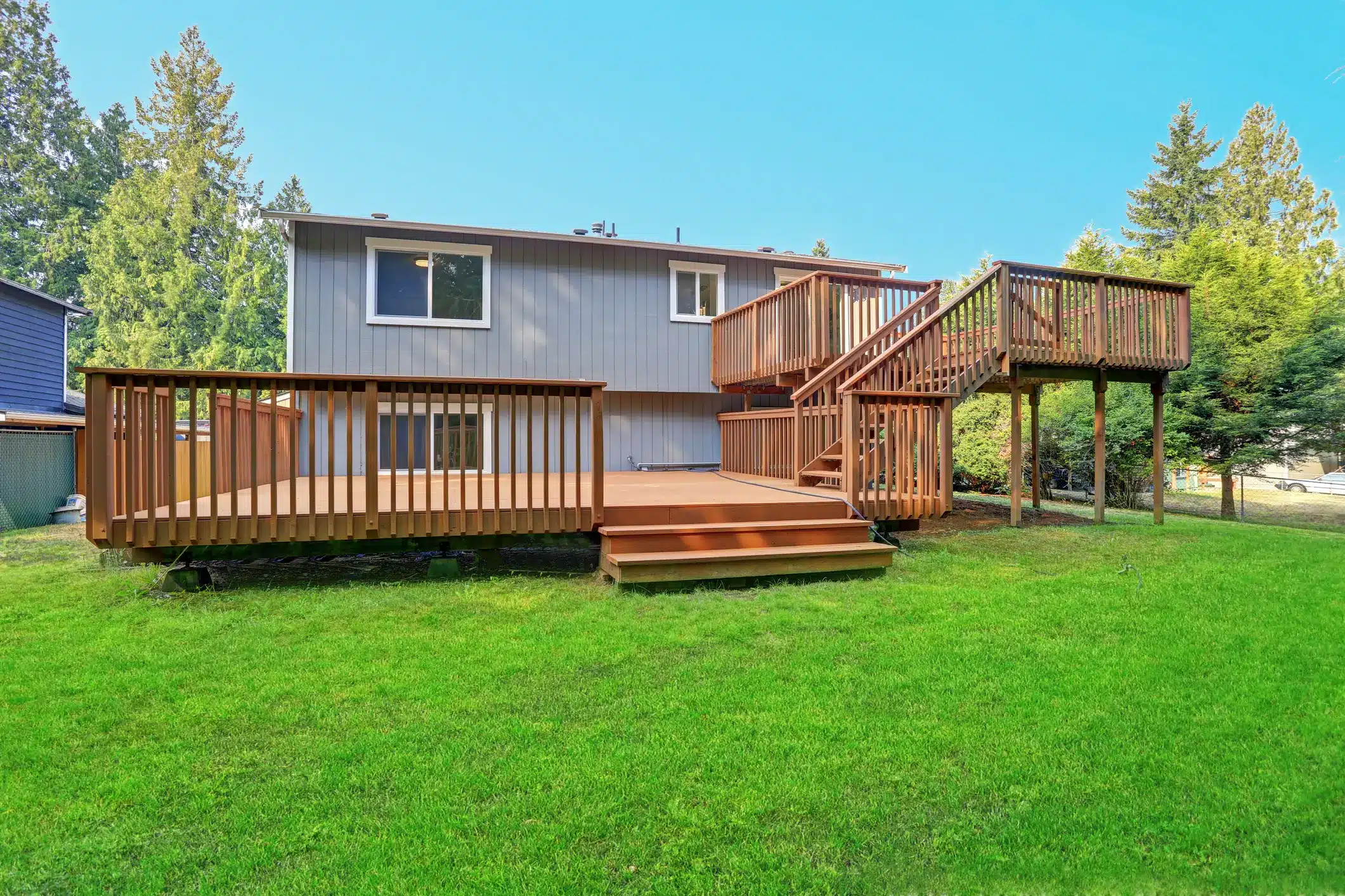
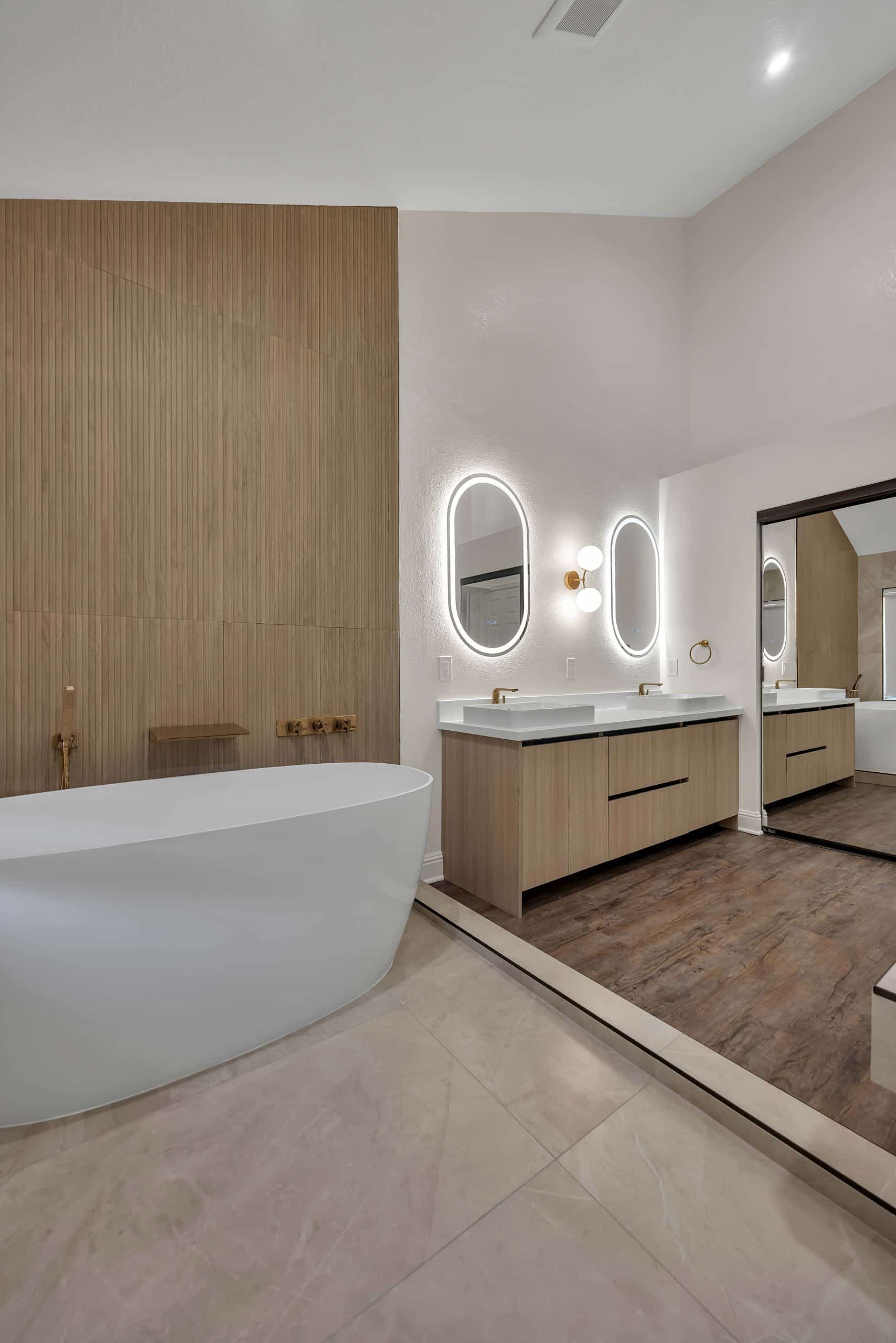
We've completed a 400-square-foot addition in San Mateo, and the same team handles additions, kitchen and bathroom remodels, and whole-home renovations for San Mateo homeowners. If you're weighing an ADU against expanding the main house, we can walk through both on the same site visit — they draw on different rules, different budgets, and different long-term uses.
See our home additions and ADU construction services, or browse completed work in the project portfolio.
San Mateo and the Surrounding Peninsula
San Mateo ADU Questions We Answer First
On a single-family lot in the City of San Mateo, up to three: one attached or conversion ADU, one detached new-construction ADU, and one junior ADU located within the walls of the main house. Each has to meet its own development standards, so whether all three fit depends on your lot's size, shape, and remaining floor area.
No. The city's code requires no off-street parking for any ADU or JADU. And if you convert or demolish a garage or carport to build one, you don't have to replace that parking for the main house either — the existing driveway can stay. You can still provide parking voluntarily, up to two spaces per unit. Some published guides say one space is required; that doesn't reflect the current code.
New ADU construction needs a four-foot setback from side and rear lot lines, including a unit built above an existing garage. There's no setback requirement for a garage or accessory structure converted in the same location and to the same dimensions, or for a detached ADU in the rear third of the lot that meets the city's accessory-structure rules.
The city allows a detached ADU up to 18 feet to the top plateline and 24 feet to the roof peak, measured from existing grade. Attached ADUs can reach 24 feet to the plateline and 32 feet to the peak. A two-story detached unit is possible, but it picks up privacy standards: obscured glazing on windows near a neighboring lot, no rooftop decks, and limits on balconies.
No. They're separate jurisdictions with separate ADU codes. The County of San Mateo's rules apply to unincorporated areas; the City of San Mateo's code applies inside city limits. The two differ on unit counts, heights, and other standards, and it's a common source of confusion — several online guides blend them. Check which jurisdiction covers your address before relying on any published figure.
The San Mateo County ADU Resource Center estimates most ADU projects take 12 to 18 months from planning to completion, with some running longer. That includes planning, design, permitting, and construction. A garage conversion generally moves faster than new detached construction. We'll give you a phase-by-phase estimate once we've seen your lot and scope.
You lose the covered space, but the city doesn't require you to replace it, and the existing driveway and curb cut can remain as parking. Beyond parking, a same-footprint conversion carries no setback requirement and can expand up to 150 square feet to accommodate an entrance. The remaining work is structural: slab, moisture control, insulation, and bringing utilities up to living-space standards.
It depends on what the space is for. An ADU is an independent unit with its own entrance and kitchen, suited to rental income or a family member who wants privacy. An addition expands the main house and suits a growing household. They're governed by different rules — an ADU benefits from the 800-square-foot FAR exemption, for instance, while an addition counts fully against the lot's floor area. We can assess both on the same site visit.
Find Out What Your San Mateo Lot Can Hold
We'll check your parcel against the current city code, show you which unit combinations fit, and set out the permit path before any design money is committed.