

Garage Conversion or New Detached ADU: Six Factors That Decide It
Timeline, rental income, resale value, structural requirements, permit complexity, and lot constraints — compared side by side for San Mateo County properties.
What the Garage Conversion vs. Detached ADU Decision Really Comes Down To
The right ADU type depends on your lot, your existing structure, and your goals.
A garage conversion ADU — converting the interior of an existing attached or detached garage into permitted living space — uses what you already have. A new detached ADU is a ground-up accessory dwelling unit built as a separate structure on the same lot. Both paths produce a legal, rentable unit. The question is which one produces the right unit for your specific property and goals.
Why San Mateo County's Lot Sizes Make This Choice More Complex Than It Looks
San Mateo County's lot constraints change the math in ways that generic comparison articles miss. Lots in cities like Belmont and San Carlos tend to run narrow. A standard R1 lot here often leaves limited setback space — rear and side minimums under current state law sit at four feet for most detached ADUs. That sounds workable until you account for an existing driveway, a utility easement, or a side-yard gate that needs to stay.
California's AB 2097 eliminated the requirement to build a replacement parking space when converting a garage to an ADU. That change applies in most county jurisdictions, removing a barrier that once added $15,000 or more to a conversion's scope.
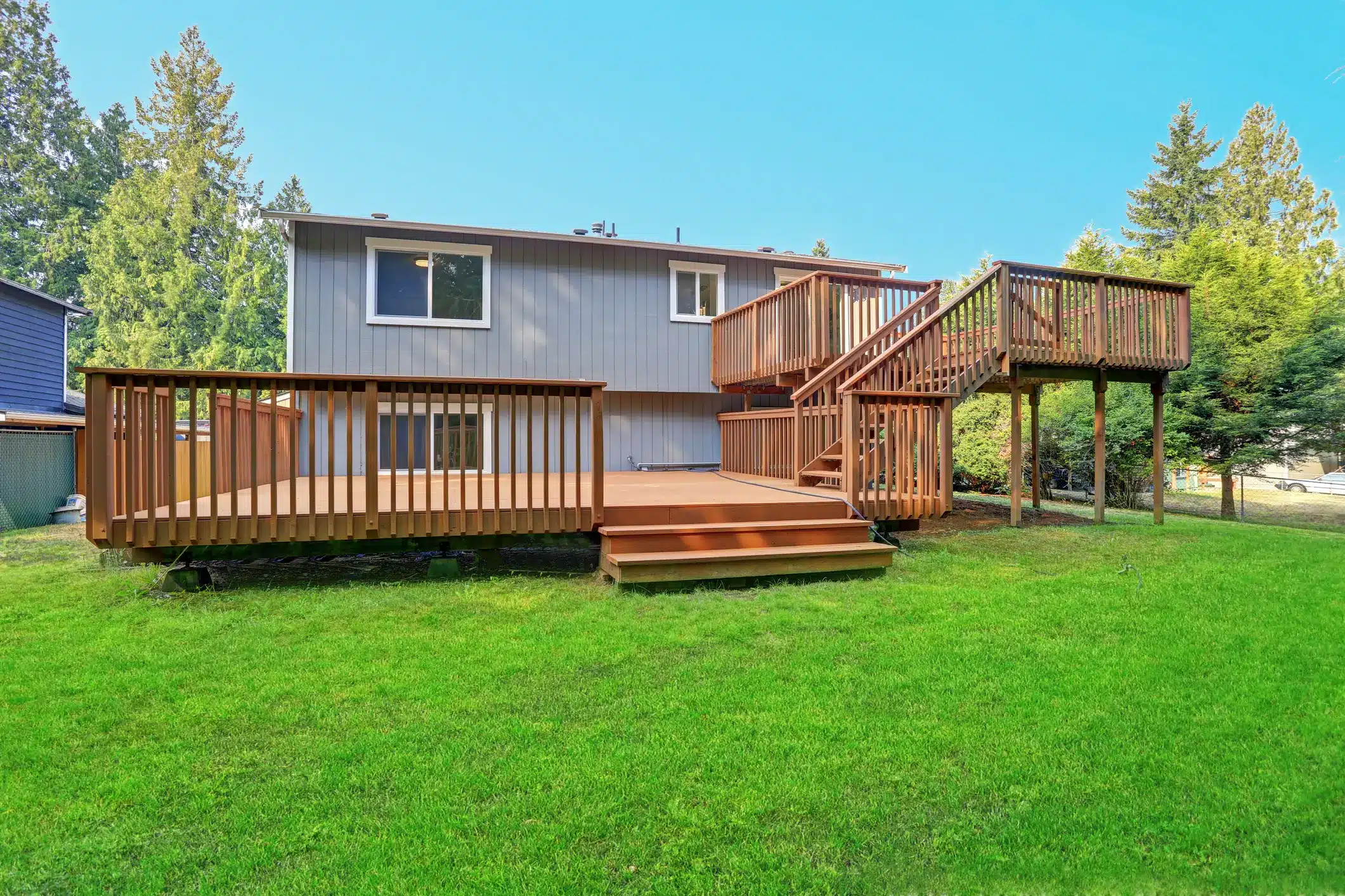
What remains is the structural question. Older detached garages here were mostly built in the 1950s and 1960s. Many have slab-on-grade foundations, single-layer roofing, and no insulation — a combination that can close the gap between a conversion and new construction fast.


How a San Carlos Homeowner Ran Both Options Before Choosing a Path
We evaluated both ADU paths against a single San Carlos property before any design spend. The homeowner had a 1962 detached garage — two-car, wood-framed, about six feet from the rear line. On paper it looked like an easy conversion: already detached, setbacks cleared, and AB 2097 meant no replacement parking.
Then we walked the structure. The slab had a two-inch heave along the back wall from a neighbor's oak roots. The roof framing was undersized for the loads Title 24 would require once occupancy changed. The panel feeding the garage was a 60-amp sub-panel that couldn't support a residential load without full replacement. That structural condition assessment — a review of the garage's foundation, frame, roof, and walls before conversion begins — showed what the project would actually cost. The repair work narrowed the gap to about $18,000 versus a modest new detached unit on the rear corner, which also offered better ceiling height, better separation from the main house, and no repair unknowns. The homeowner chose new detached — not because conversions are wrong, but because their garage's condition shifted the numbers.
We Evaluate Both Options Against Your Actual Property Before You Commit
Bark and Build assigns real numbers to both paths before recommending either one. We build both garage conversion ADUs and new detached ADUs, and we evaluate both against the same property-specific inputs — structural condition, setback availability, utility connections, and AB 2097 parking rules — then produce a side-by-side scope summary. Real numbers, your lot's actual constraints, not a general comparison.
Every structural review draws on our in-house foundation and framing teams. Every permit evaluation reflects what we've seen from San Mateo County's building departments across multiple jurisdictions, and CA License #1119304 covers permit submissions in every incorporated city in the county. The decision stays yours — we make sure you're making it with the right information.
In-house foundation & framing teams · CA License #1119304.

Six Dimensions We Compare on Every Side-by-Side ADU Evaluation
A complete comparison covers six areas, and any one can change the outcome. The edge shown is directional — your parcel decides.
Construction timeline
Conversions usually move faster — no foundation phase, no full framing. But significant repair work can erase that advantage entirely.
Rental income potential
New detached ADUs with full separation from the main house consistently command higher rents here. Tenants pay more for a purpose-built unit with no shared walls.
Resale value impact
Both add permitted square footage and rental income to the record. Buyers and appraisers in this market typically value a detached ADU with full separation more highly at resale.
Permit complexity
Both require permits. A conversion triggers a change-of-occupancy review and full Title 24 even though the shell exists; new construction triggers its own full review, but without the change-of-occupancy layer.
Structural requirements
Conversions inherit the existing structure's condition; new construction starts clean. That difference is the single biggest variable most path comparisons ignore.
Lot viability
Setback availability, easements, and existing driveway positions determine whether a new detached footprint is even buildable. For some lots, the garage is the only viable site.
The Variables That Tip the Decision One Way or the Other
Four property-specific factors determine which ADU type wins on your lot — and none of them operate in isolation.
Running both options against the same property — before committing to either path — is the only way to make a confident decision.
ADU Projects Across San Mateo County — From Belmont to Daly City
We work with homeowners across the county. Lot sizes, soil conditions, and permit-office requirements vary across these cities — we know the differences firsthand.
Leaning toward one path already? See our garage conversion and detached ADU construction services.
Get a Property-Specific Comparison Before You Choose a Path
The right ADU decision starts with a side-by-side evaluation on your actual parcel. We evaluate both garage conversion and detached ADU options for San Mateo County homeowners — and give you real numbers for both before you commit. No design spend required to start.