


Living at Home During a Major Remodel
Staying in your house through a big remodel can save money and hassle — if you set it up right. Here's how to keep daily life livable through the dust, noise, and disruption of a major project.
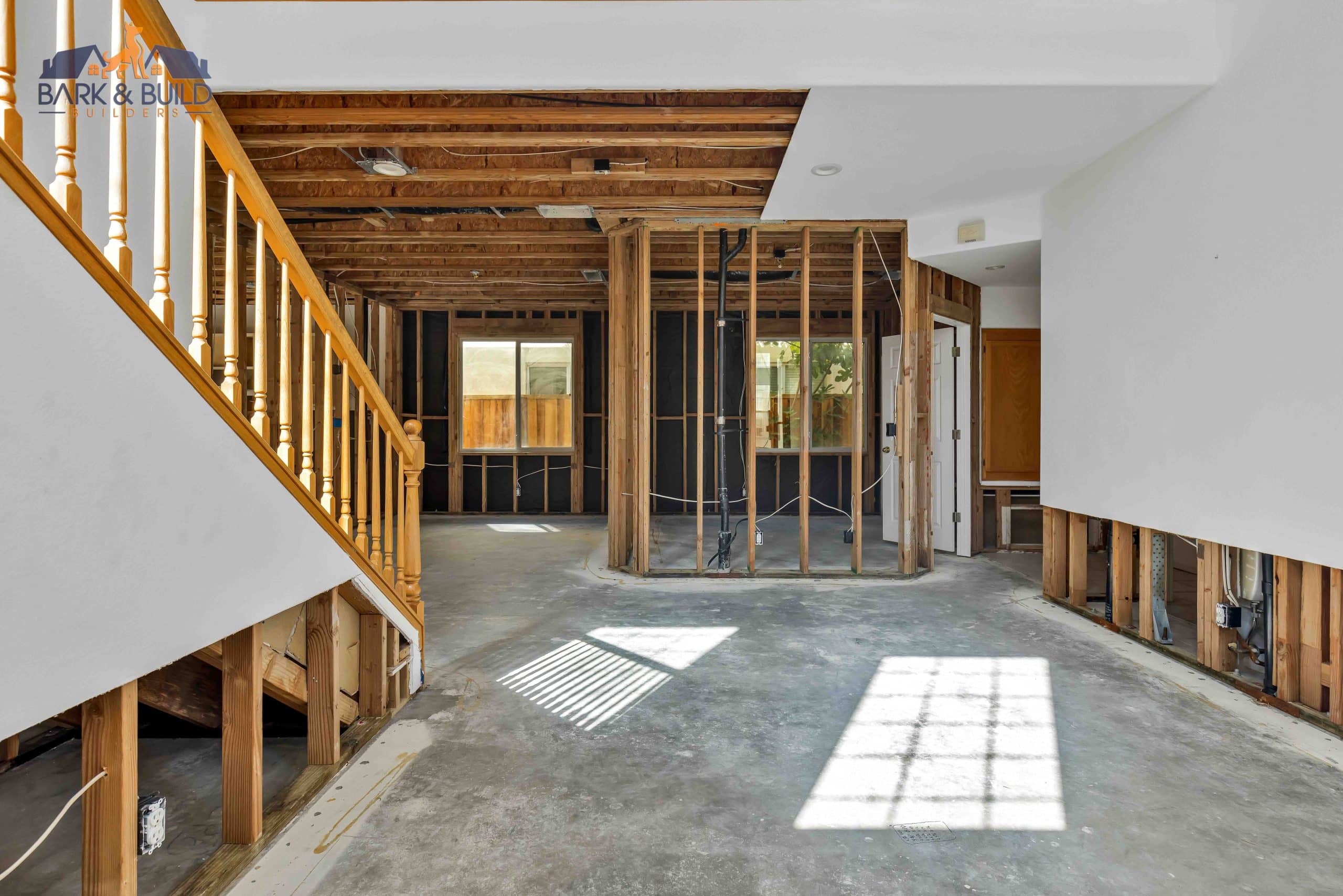
For many families, moving out during a remodel isn't practical — rentals are expensive and disruptive, and sometimes you just want to stay in your own home. The good news is that staying put is very doable, even through a major project. It just takes a plan for the parts that are genuinely hard: dust, noise, a missing kitchen or bathroom, and the mental fatigue of living on a construction site.
Here's how to make it work.
1. First, decide honestly: stay or go?
Not every project is livable. Be realistic about a few factors before you commit to staying:
- Which rooms are affected: losing your only kitchen or only bathroom is much harder than a bedroom or a distant addition.
- Who's in the house: small children, anyone with respiratory sensitivity, or people who work from home change the calculus.
- Duration and phase: a few weeks is different from several months, and demolition and rough-in are the roughest stretches.
Sometimes the smart move is to stay for most of it and leave for a short, intense phase. Talk it through with your contractor early.
2. Set up a temporary kitchen or bathroom
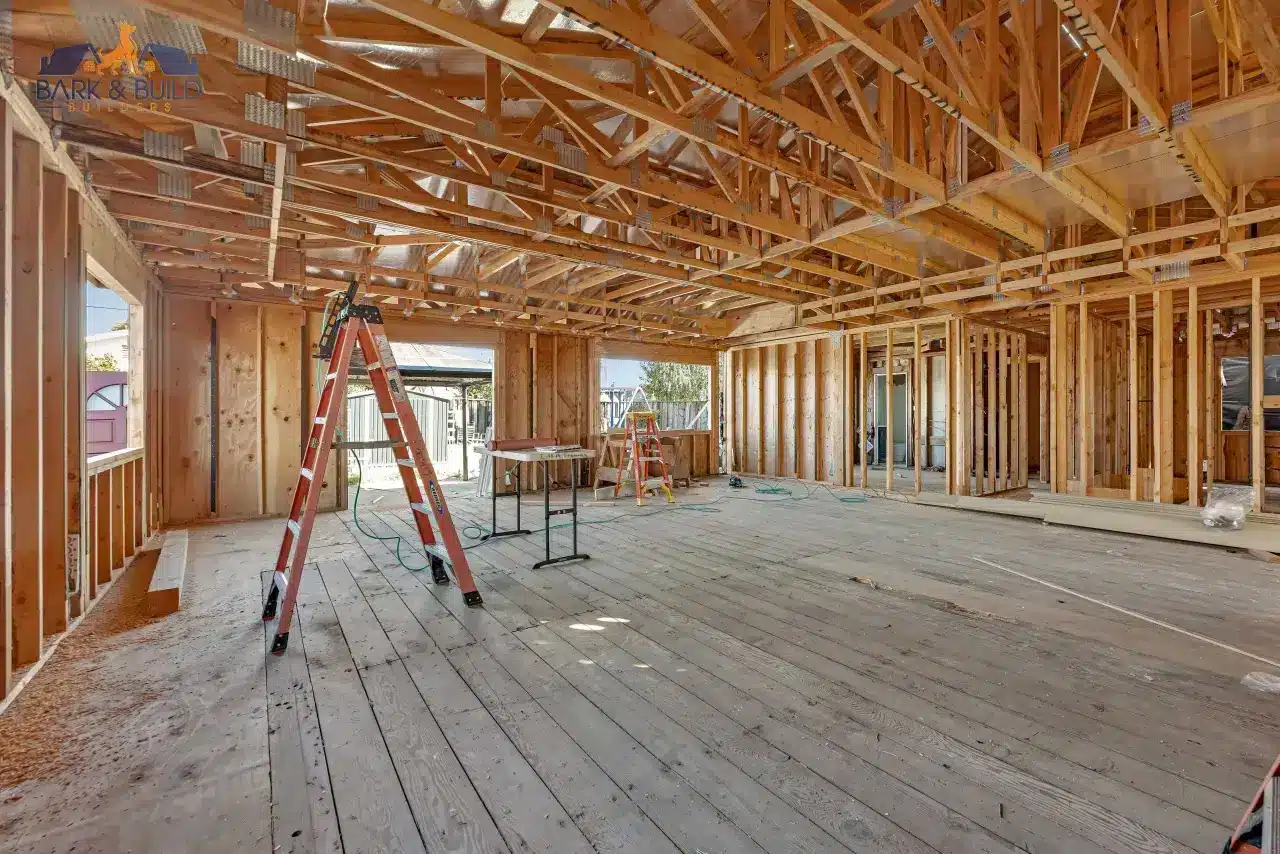
If the project takes out your kitchen, build a simple substitute in another room: a microwave, a countertop appliance or two, a mini-fridge, and a place to wash up — a laundry sink or even a bathroom sink works. For a bathroom remodel, the plan is simply making sure another bathroom stays in service, or arranging alternatives for the days it's down. A little setup here removes most of the daily frustration.

3. Contain the dust
Dust is the number-one complaint of people who stay home during a remodel, and it's very manageable with the right setup:
- Barriers: plastic sheeting and zip-wall dust barriers to seal the work zone from your living areas.
- Air: air scrubbers or filters in the work area, and swapping your HVAC filters more often during construction.
- Floors and paths: protected walkways so debris isn't tracked through the house.
A good crew sets this up as a matter of course — it's fair to ask how dust containment will be handled before work begins.
4. Protect your belongings
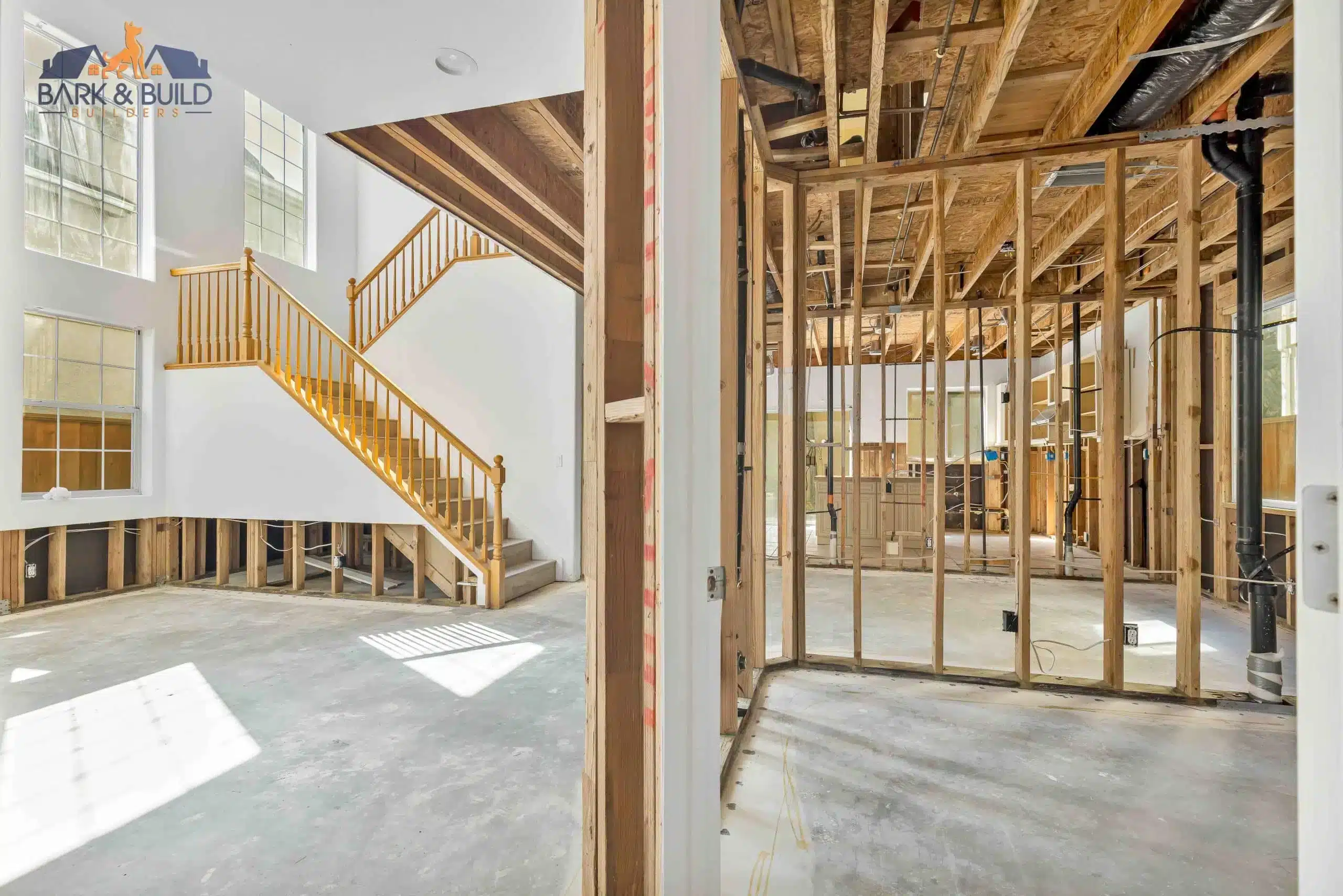
Move furniture, electronics, and anything fragile or valuable well away from the work zone — and cover what stays. Fine construction dust finds its way into everything, so box up dishes, books, and decor near the project, and relocate valuables and important documents entirely. It's far easier to pack ahead of time than to clean afterward.
5. Manage noise, schedules, and routines
Construction runs on a daytime schedule, and the loud phases are usually short bursts. Plan around them: schedule your own quiet-time needs, set up a work-from-home spot far from the action, and give kids and pets a stable, sealed-off zone. Agreeing on daily start times and access with your crew up front keeps everyone comfortable.

6. Protect your sanity with clear communication
The biggest stress reducer isn't a dust barrier — it's knowing what's happening and when. A single point of contact, a shared schedule, and a regular check-in turn a chaotic-feeling project into a predictable one. When you know Thursday is the loud day and next week is cabinets, living through it gets a lot easier. This is one of the quiet advantages of a design-build team: one group is accountable for the plan, the schedule, and the communication from start to finish.
Common questions about living through a remodel
Is it safe to stay home during construction? For most remodels, yes, with proper dust containment and clear separation from the work zone. For short, intense phases — or for anyone with respiratory sensitivity — a brief stay elsewhere can be worth it.
How bad is the dust, really? Without barriers, it's everywhere; with proper containment, air filtration, and protected pathways, it's very manageable. Ask your contractor how they'll handle it.
What if it's my only kitchen or bathroom? Set up a temporary kitchenette elsewhere, and for a sole bathroom, plan alternatives for the days it's out of service. Knowing the schedule for those days makes them easy to plan around.
How do I keep the project from taking over my life? Clear communication and a predictable schedule. When you know what's coming each week, the disruption feels temporary and contained rather than open-ended.
A remodel that respects your home and your routine.
We plan the phasing, contain the mess, and keep you informed with one point of contact from start to finish — so living through your remodel is as painless as it can be. Serving the Peninsula and South Bay.