
ADU Permitting in San Mateo County
Thinking about a backyard cottage or in-law unit on the Peninsula? Most of the rules now come from California state law — here's what's guaranteed, what your city still controls, and how to keep your ADU moving through review.
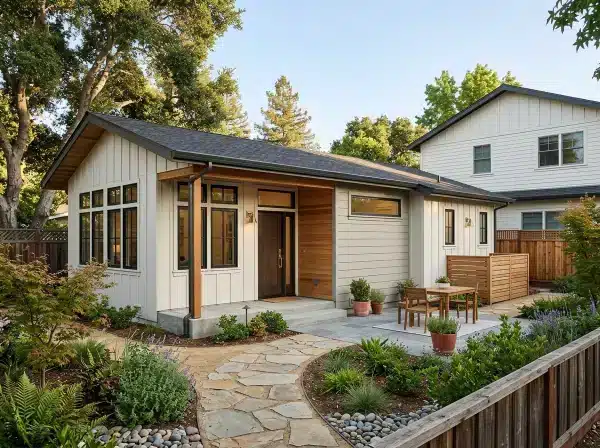
An accessory dwelling unit — a granny flat, in-law suite, or backyard cottage — is one of the most practical ways to add living space, house family, or create rental income on a San Mateo County property. The encouraging news is that ADU rules are now largely standardized by California law, which makes the path far more predictable than it used to be.
Predictable, though, is not the same as automatic. Knowing what the state guarantees, what your specific city still controls, and what belongs in your permit set is what separates a smooth 60-day approval from a project that stalls in plan check. Here's how ADU permitting and construction actually works across the county.
1. State law sets the baseline
California has spent several years standardizing ADU rules, so a homeowner in Belmont has broadly the same core rights as one in Foster City or Half Moon Bay. Your city cannot undercut these state floors:
- Size: a jurisdiction must allow at least 850 sq ft for a studio or one-bedroom ADU and 1,000 sq ft for a unit with more than one bedroom. Detached ADUs are commonly permitted up to 1,200 sq ft.
- Setbacks: four feet from the side and rear property lines is the standard. Convert an existing structure and it can keep its current setbacks.
- Ministerial review: a complete, compliant ADU gets a checklist approval — not a discretionary hearing — and the city must act within 60 days. It can't deny a conforming unit on subjective grounds like "neighborhood character."
- Lot rules can't block you: cities can't impose a minimum lot size, and they can't apply lot-coverage or floor-area-ratio limits that would prevent at least an 800-sq-ft ADU.
- Owner-occupancy: not required for a standard ADU (a junior ADU is the exception). Parking is frequently waived, and impact fees are waived entirely under 750 sq ft.
2. Know your ADU type
The type of unit drives the rules, the cost, and the timeline. Most Peninsula projects are one of four:
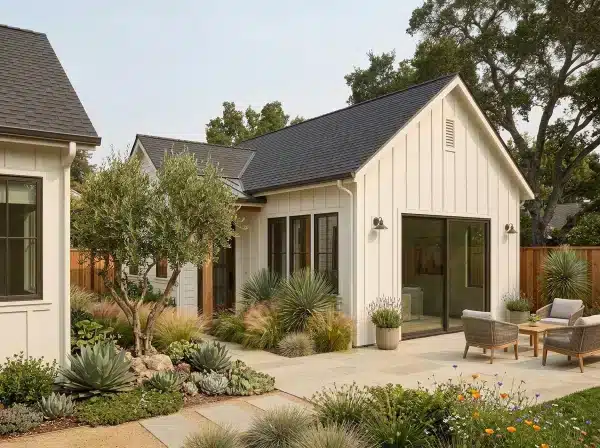
- Detached ADU: a standalone building in the yard — the most flexible for layout, privacy, and rental value.
- Attached ADU: added onto the existing home, sharing a wall.
- Conversion ADU: an existing garage or interior space converted to a unit. Conversions keep existing setbacks and usually avoid added parking.
- Junior ADU (JADU): up to 500 sq ft carved out of the existing single-family home, with an efficiency kitchen. A JADU generally does require the owner to live on the property.
On many lots these combine — for example, a JADU inside the house plus a detached ADU in the yard — which is how some homeowners add two units to a single-family property.
3. Find out who issues your permit
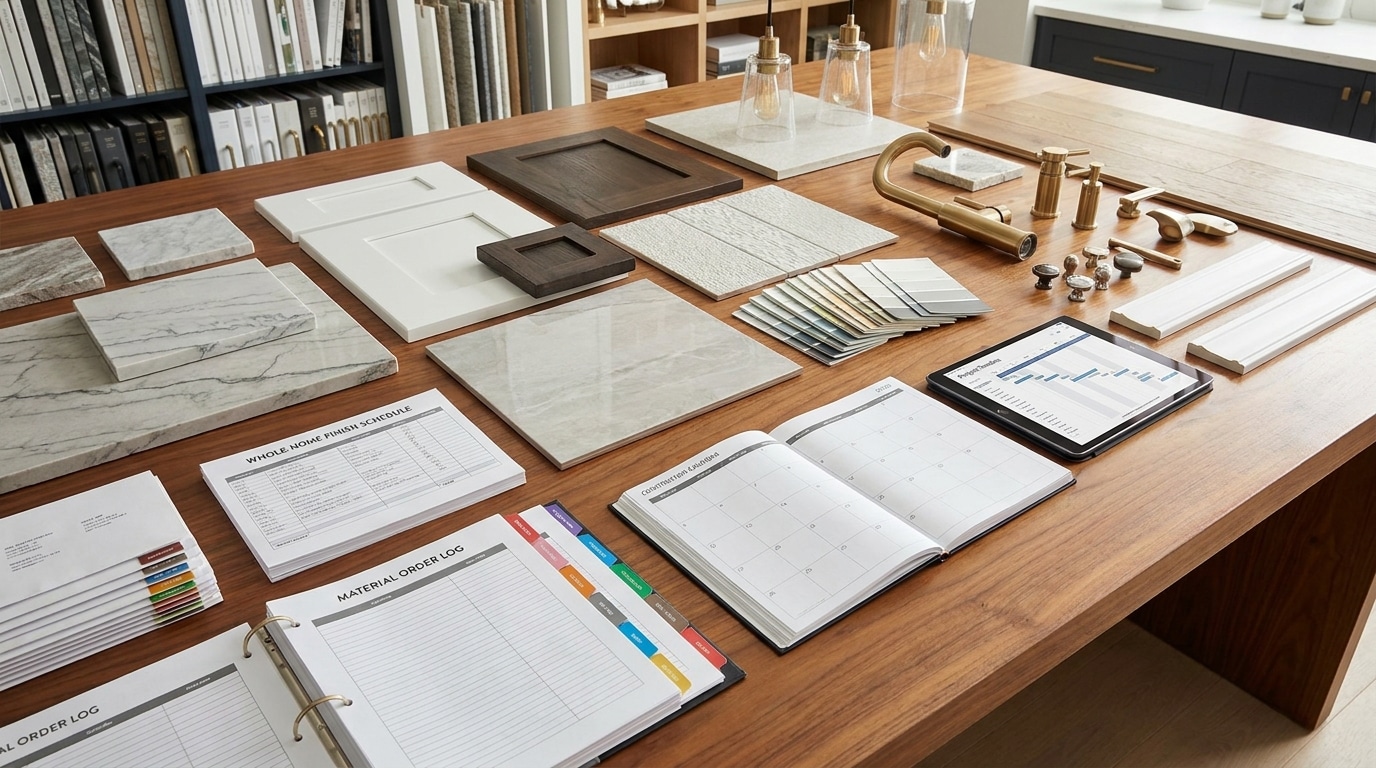
This is the step homeowners miss. "San Mateo County" is both a county government and twenty incorporated cities, and your permit comes from whichever jurisdiction your property sits in.
- Unincorporated areas permit through the County of San Mateo Planning and Building Department.
- Incorporated cities — San Mateo, Daly City, South San Francisco, San Bruno, Burlingame, San Carlos, Belmont, Foster City, Millbrae, Menlo Park, Half Moon Bay, and the rest — each run their own building department, online portal, and fee schedule.
Every one of them has to honor the state floors above, but each layers its own objective standards on top (exterior materials, height articulation, landscaping). So the first move on any ADU is simple: confirm exactly which jurisdiction you're in, and pull that jurisdiction's current ADU checklist before designing anything.
4. Build a complete permit set
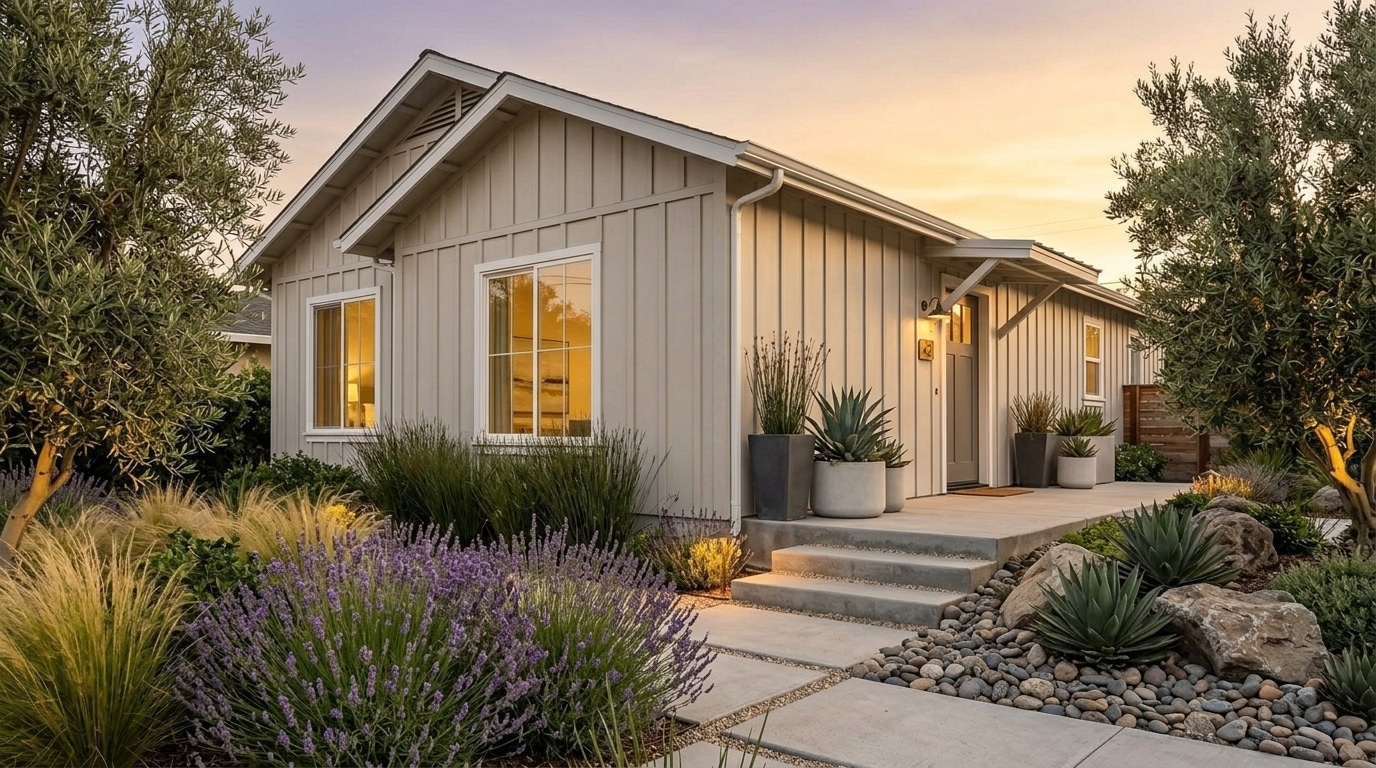
A ministerial review is only fast when the application is clean. A complete ADU submittal usually includes:
- A site plan showing property lines, setbacks, and lot coverage.
- Floor plans and elevations for the unit.
- A structural package — foundation and framing — stamped by a licensed engineer where the scope requires it.
- Title 24 energy compliance documentation, which California requires on new dwelling space.
Getting those sheets to agree with one another is what keeps a set from bouncing back in plan check. It's the same reason we handle the drawings, the engineering, and the build as one coordinated package rather than three disconnected ones.
5. Plan for the Peninsula's site realities
San Mateo County's geography shapes ADU budgets and designs more than most homeowners expect:
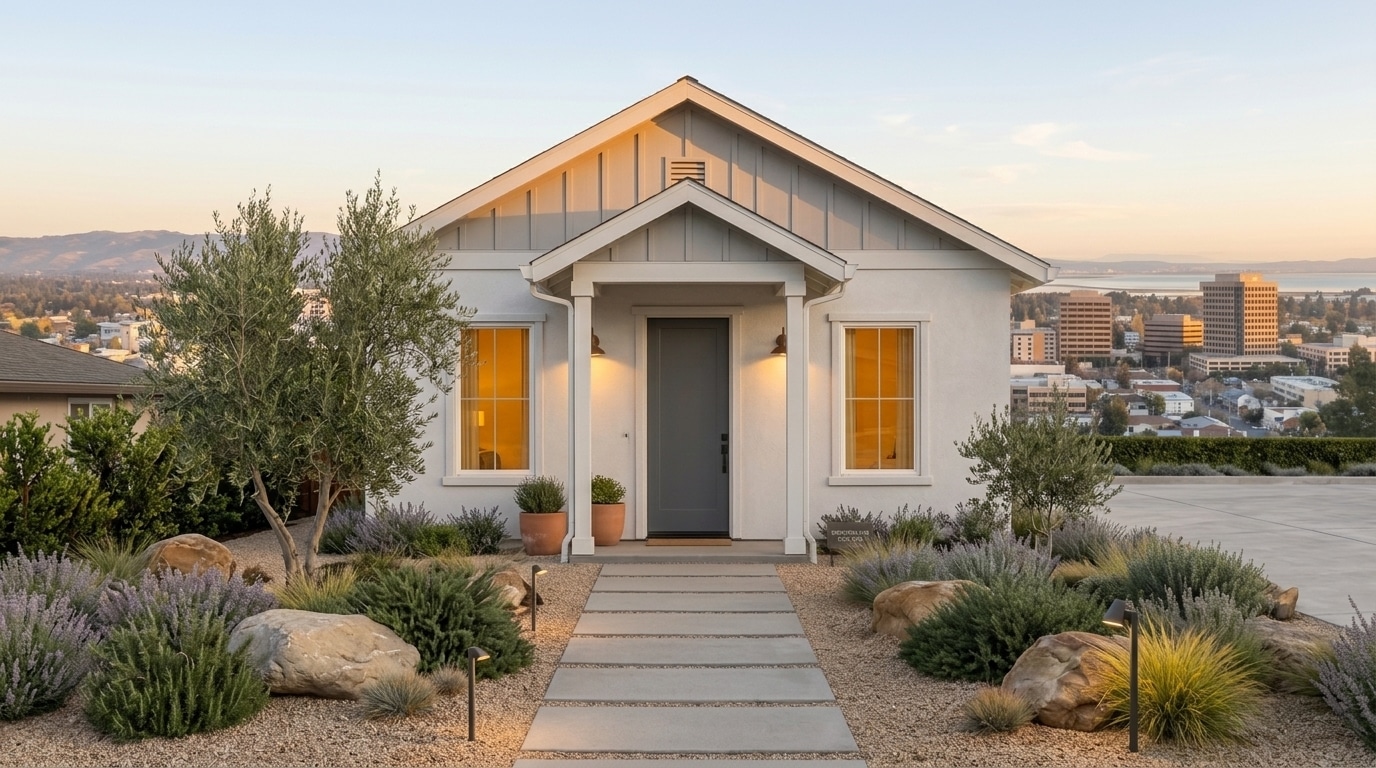
- Hillside lots on the western side of the county often need a soils or geotechnical report before a foundation can be permitted, which changes the foundation design and cost.
- Coastal parcels near Half Moon Bay can carry additional review layers.
- Utility runs matter: if the unit sits far from the street, trenching for sewer, water, and electrical can be a surprisingly large line item.
- Solar: newly constructed detached ADUs are generally treated as new residential space and subject to California's solar requirement — conversions and many attached units are typically exempt. Confirm what applies to your unit.
6. Keep your permit moving
Three habits keep a San Mateo County ADU on schedule: confirm your jurisdiction's specific standards before you design, submit a fully coordinated set the first time, and respond to any plan-check corrections quickly instead of letting them sit. Lock the long-lead decisions early — where utilities tie in, what the foundation needs — and the ministerial clock works in your favor.
A note on accuracy: ADU law changes often and every jurisdiction maintains its own standards. Treat this as an orientation, not legal advice — confirm current requirements with your city or the County and with California HCD — and see our San Mateo County ADU rules guide — before relying on any specific figure.
Common San Mateo County ADU questions
Do I have to live on the property to build an ADU? Not for a standard ADU — California removed the owner-occupancy requirement and the change is permanent. A junior ADU carved out of the existing house generally does still require it.
How big can my ADU be? Your jurisdiction must allow at least 850 sq ft for a studio or one-bedroom unit and 1,000 sq ft for two-plus bedrooms; detached units are commonly permitted up to 1,200 sq ft, subject to the lot and local ordinance.
Will I need to add parking? Often not. Parking is waived within a half-mile of transit and when converting a garage or interior space — and a city can't require replacement parking when a garage becomes an ADU.
How long does approval take? The city has 60 days to approve or deny a complete, compliant application under the ministerial process. Incomplete sets and unanswered corrections are what stretch timelines in practice.
Find out what your lot can actually build.
Setbacks, soils reports, solar rules, and each city's own standards are exactly where ADU projects stall. We handle zoning analysis, design, engineering, energy compliance, and construction under one roof — so your ADU gets planned right the first time across San Mateo County and the Peninsula.