Loading...
Room Additions & Home Expansions — Redwood City & San Mateo County
Redwood City's Premier Room Additions & Luxury Home Expansions
Bark and Build Builders executes comprehensive ground-floor lateral room additions across Redwood City — specializing in advanced foundation engineering, seamless roofline integration, legacy exterior matching, and full 2026 building code compliance. Every expansion is engineered to integrate flawlessly with your Peninsula home's original footprint and architectural character.
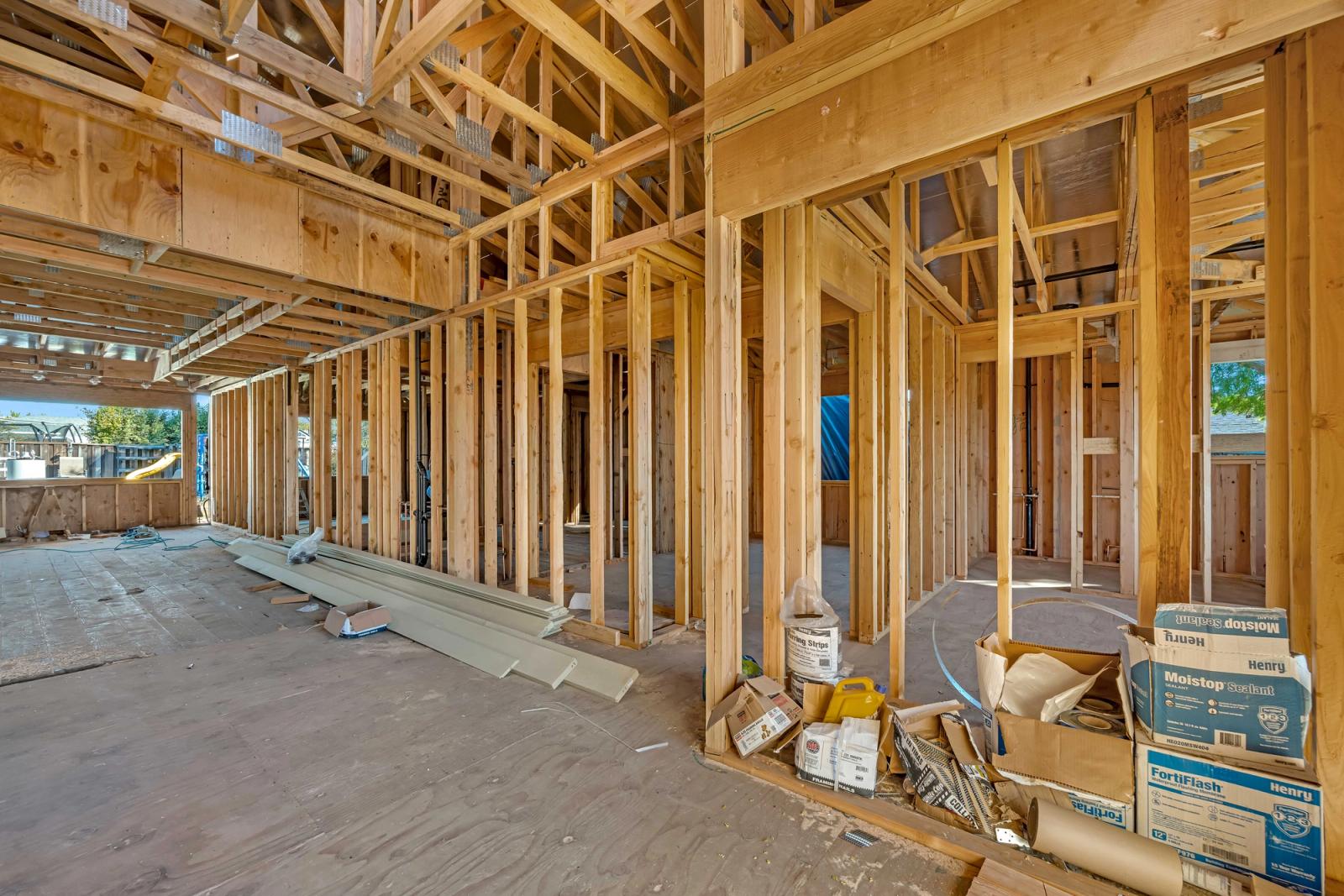


The Peninsula Challenge
Precision Structural Engineering for San Mateo County Soils
Homes in Redwood City sit on highly variable ground. The Peninsula is characterized by significant geotechnical variability. Near the Port of Redwood City and the eastern flatlands, properties sit on Holocene Bay Mud — a highly compressible, water-saturated silty clay that requires advanced foundation systems to perform correctly under new structural loads.
Properties in the western foothills face expansive adobe clays that swell with winter rains and shrink during dry summers, exerting hydrostatic pressure against concrete footings. Both conditions are fully solvable with the right engineering — and both are part of our standard pre-construction protocol.
We build downward before we build outward. We engineer our foundation expansions to specifically account for these local soil conditions, ensuring that your new lateral addition remains permanently anchored and perfectly level with your legacy structure across the full lifecycle of the home.
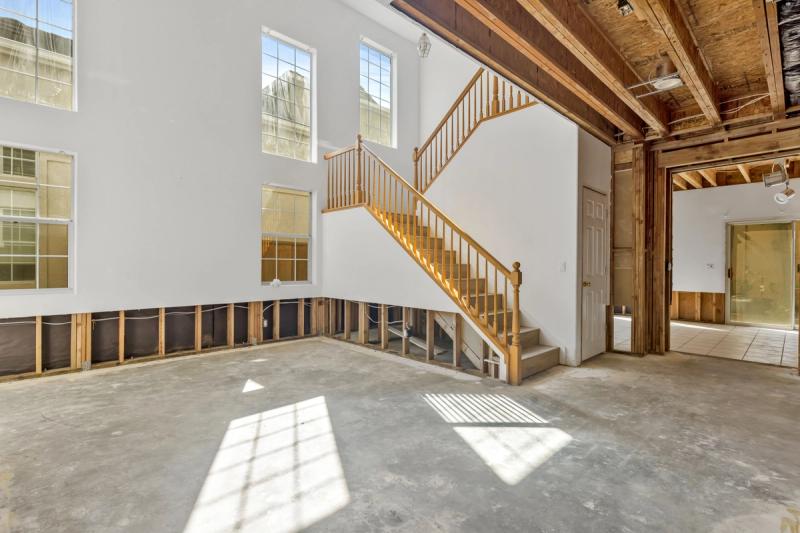
Foundation Engineering
High-Performance Deep Pier Foundations for Secure Additions
Even properties in the eastern flats with notoriously soft silty clay can safely support a major expansion — it simply requires advanced foundation engineering rather than standard trench footings. This is one of our core specialties.
Our structural engineers frequently specify deep foundation systems involving driven piles. We drive steel helical piers or hydraulically pushed pipe piers deep into the earth, bypassing the unstable surface mud entirely until we reach dense, load-bearing strata. We then pour a heavy, reinforced-concrete grade beam that rests entirely on these steel columns.
This highly engineered foundation expansion ensures that the dead load of the new framing and roof structure is fully supported by deep earth, completely independent of the surface clay conditions.
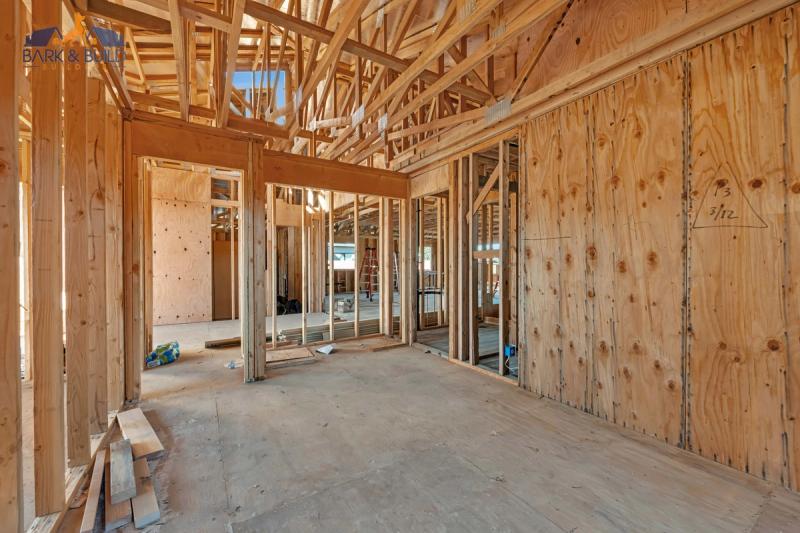
Soil Science
Comprehensive Geotechnical Testing for Redwood City Additions
Every successful expansion begins with a precise understanding of the soil beneath it. In San Mateo County, geologic conditions can shift dramatically from one street to the next. We dispatch licensed geotechnical engineers to drill deep core samples in the exact location of your proposed expansion.
They test the soil for bearing capacity, expansive clay content, and liquefaction risk. This data dictates the exact depth and width of your new concrete footings, the required rebar scheduling, and the necessary sub-slab vapor barrier systems. By securing this hard data upfront, we mathematically guarantee that your new structural footprint complies with the 2026 California Building Code.
Hillside Protection
Specialized Soil Remediation & Superior Slab Protection
For properties in the western foothills, expansive adobe clay calls for a specialized remediation strategy. These soils expand when wet and contract when dry, putting strain on concrete unless engineered around correctly. Our approach uses the geotechnical soil report data to design specialized void forms or specify the import of non-expansive engineered fill.
We over-excavate the addition footprint, remove the reactive clay, and compact structural fill in its place, neutralizing the upward pressure and protecting your new slab. This proactive soil remediation is what creates a permanent structural expansion engineered for the lifetime of the home.
Engineering Standard
Unified Structural Framing for Seamless Home Expansions
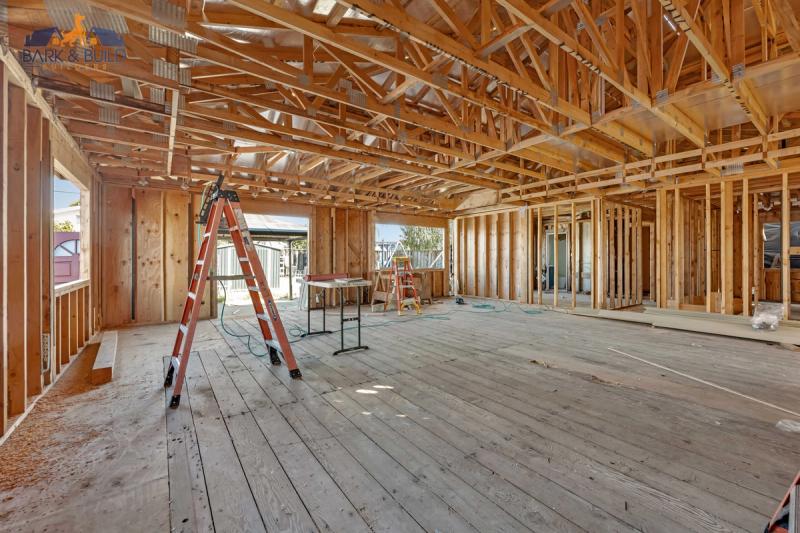
A premium room addition is structurally integrated with the existing house, not bolted to the back of it. When we expand your building envelope, we tie the new framing directly into the existing load paths so the entire structure performs as a single, unified entity.
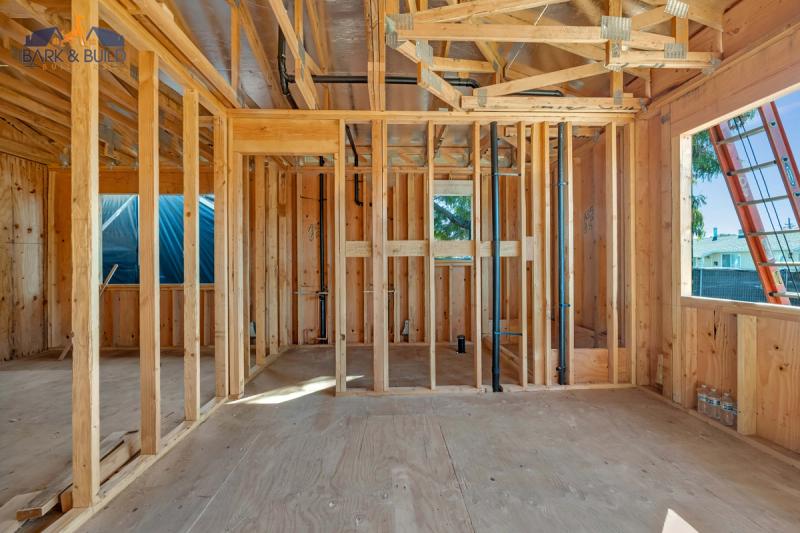
We strip back the original exterior cladding to expose the sheer walls, tying the new floor joists and top plates directly into your home's original skeleton. The result is an expansion that moves with the original house through every seasonal cycle, with no separation cracking or differential movement at the connection points.
Architectural Cohesion
Seamless Roof Pitch Matching & Custom Truss Engineering
The visual success of a lateral expansion depends entirely on authentic roofline integration. We engineer the new roof trusses to interlock seamlessly with the existing rafters, matching the original pitch, overhang dimensions, and fascia board profiles.
We interweave the new roofing materials — whether dimensional composition shingles or clay tiles — directly into the existing roof deck, ensuring a completely watertight thermal envelope that reads as original architecture from the street.
Case Study — Friendly Acres Neighborhood
Legacy Home Restoration Showcase: A 1940s Bungalow
A charming 1940s bungalow needed a matching raised foundation that mirrored the original architecture, along with a flawless stucco blend across an 80-year-old exterior.
From the Field
The Art of Authentic Stucco Blending
When I took over the site, we brought in our structural team to design a matching raised foundation that mirrored the original architecture. We excavated the rear yard and established continuous trench footings with heavy rebar reinforcement. We framed a new crawlspace system and bolted the new sill plates down securely.
When it came time for the exterior finish, we painstakingly executed a stucco matching process, blending the new walls perfectly into the 80-year-old weathered exterior. When I walked the clients through the finished space, they could not find the seam where the old house ended and the new addition began. That is the standard we operate by.
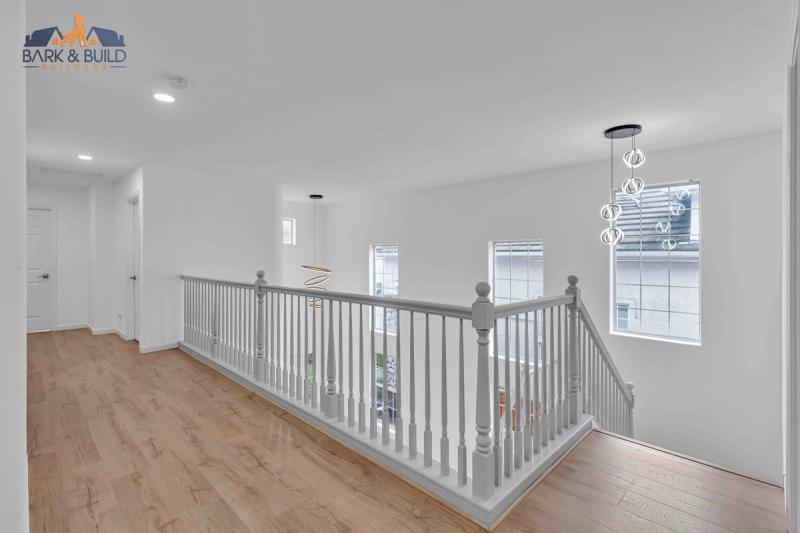
When I walked the clients through the finished space, they could not find the seam where the old house ended and the new addition began. That is the standard we operate by — every addition must look like it was built on day one.Owner — Bark & Build Builders, CSLB #1119304
Zoning Navigation
Expert Navigation of Redwood City Building Setbacks & Zoning
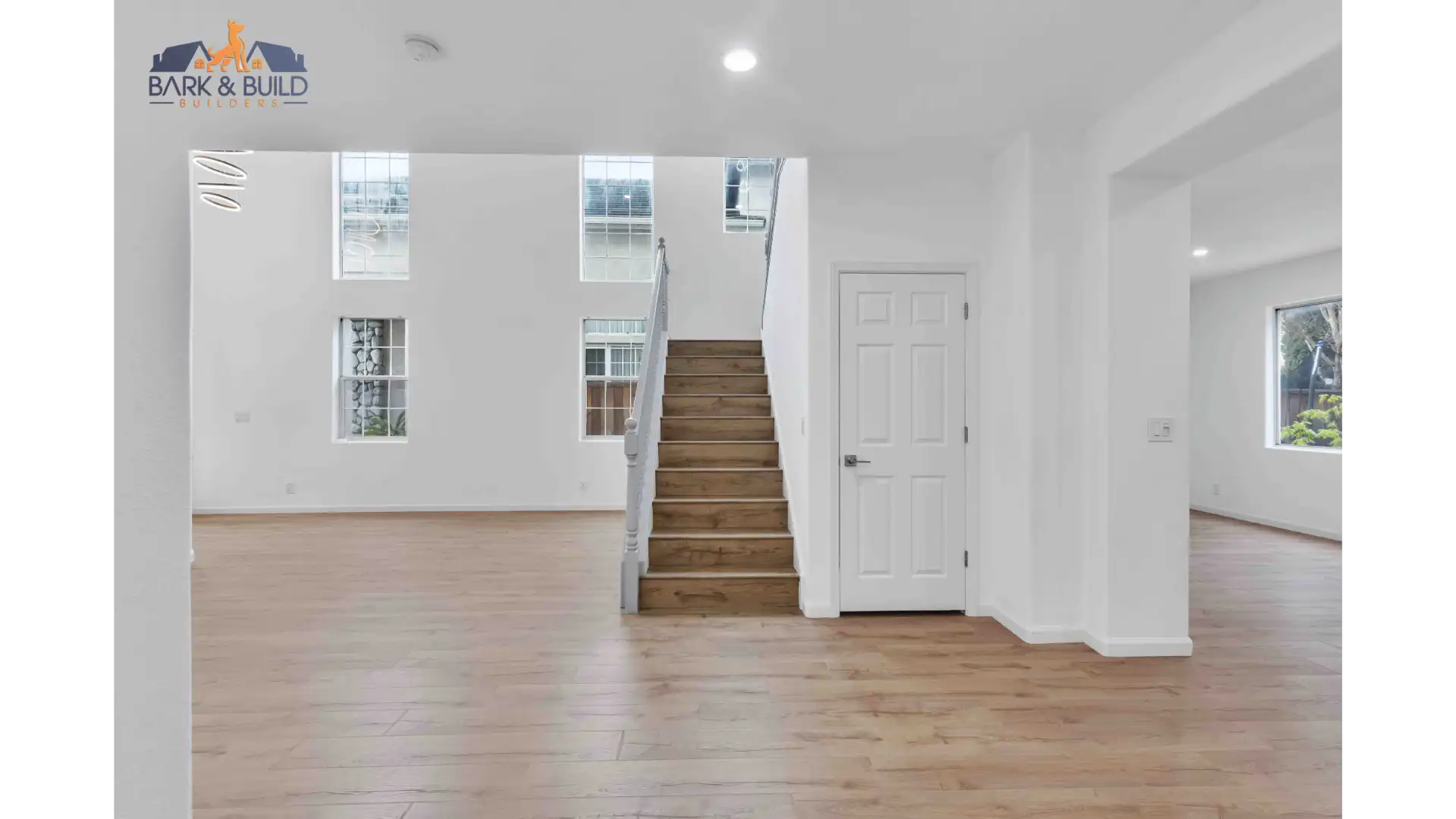
Pushing your exterior walls outward is governed by municipal zoning rules. Redwood City enforces specific front, rear, and side yard setbacks that dictate exactly how close a structure can be to the property line. Respecting these boundaries from day one is essential to a clean permitting process.
We conduct a thorough zoning analysis, dispatch surveyors to pin the exact property corners, and calculate the allowable buildable area. If your property features irregular geometry or existing non-conforming structures, we adapt the addition's footprint to respect every legal setback line, ensuring your architectural drawings move through planning review without costly revisions.
Density Regulations
Optimizing Residential Lot Coverage for Expansive Additions
Every residential lot is governed by density regulations. The most critical metric is your allowable lot coverage — the maximum percentage of total property area covered by structures. Understanding this ceiling early is what allows us to design an addition that maximizes your buildable square footage.
During the pre-construction phase, our architects measure every existing structure down to the inch. We map exact available square footage before you invest in design development. If your lot is approaching the maximum threshold, we pivot to a compact floor plan or evaluate a second-story vertical addition as an alternative path forward.
Municipal Formulas
Seamless FAR Calculations for By-Right Room Additions
Alongside lot coverage, Redwood City monitors the Floor Area Ratio (FAR) for major expansions. FAR is the relationship between total usable floor area and total lot area, and exceeding specific thresholds shifts the project into discretionary review with the Planning Commission.
Our design team mathematically balances your desired square footage against these municipal formulas, ensuring your addition stays within by-right limits and securing building permits efficiently — keeping your timeline on the standard plan-check track.
Spatial Design
Premium Interior Architecture & Continuous Spatial Flow
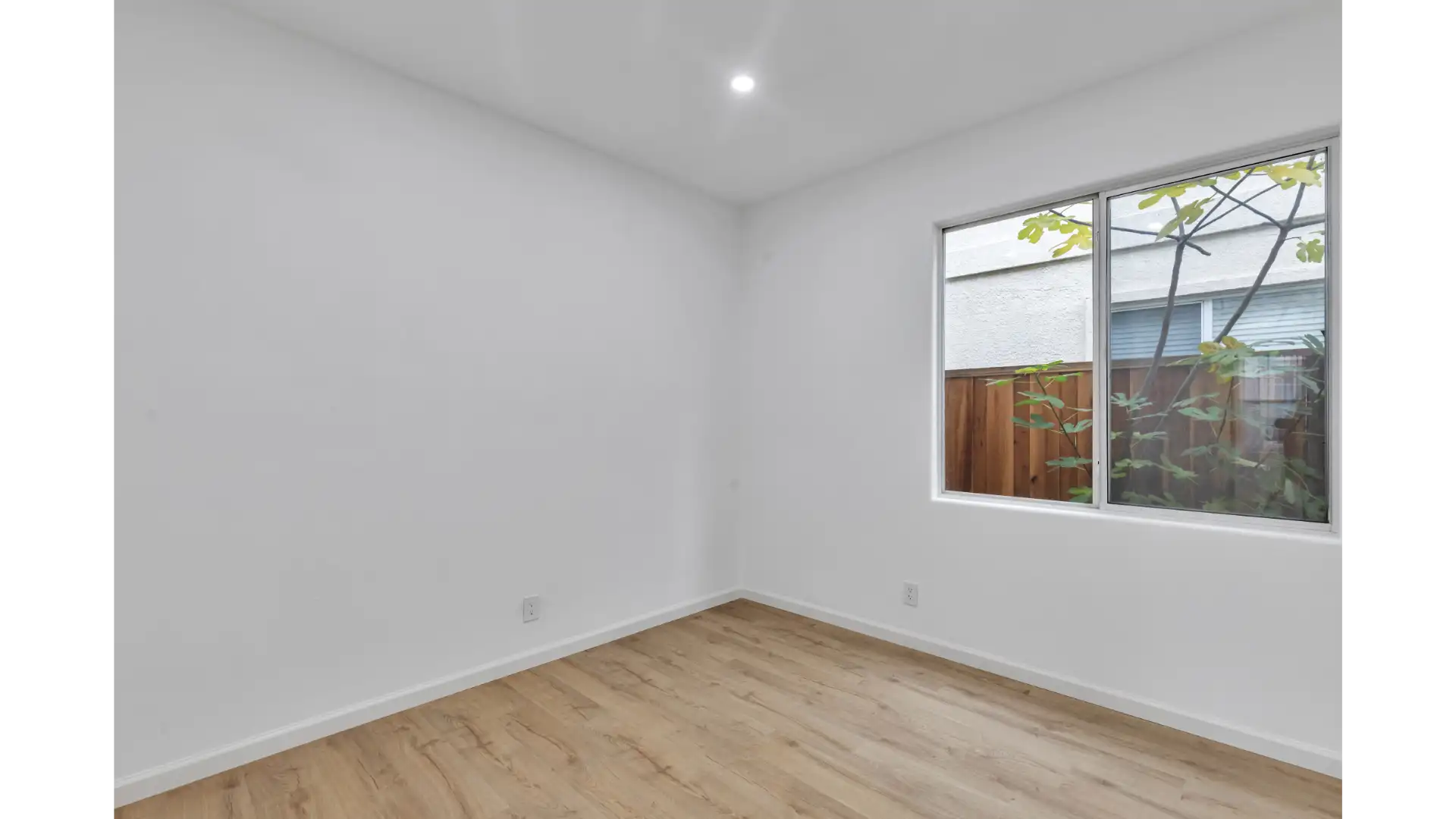
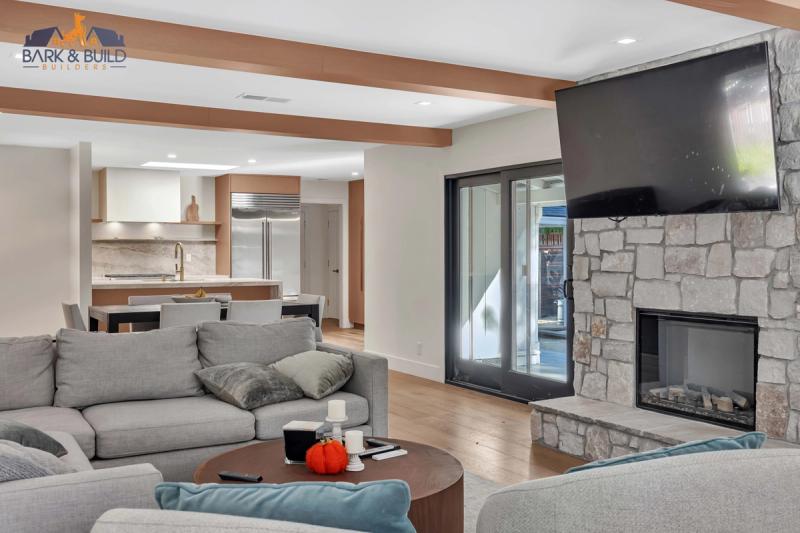
A premium room addition feels like an organic extension of your existing living spaces, with light and circulation that flow naturally between the legacy home and the new wing. Achieving this takes deliberate planning around how your exterior wall changes will affect interior light penetration and traffic patterns.
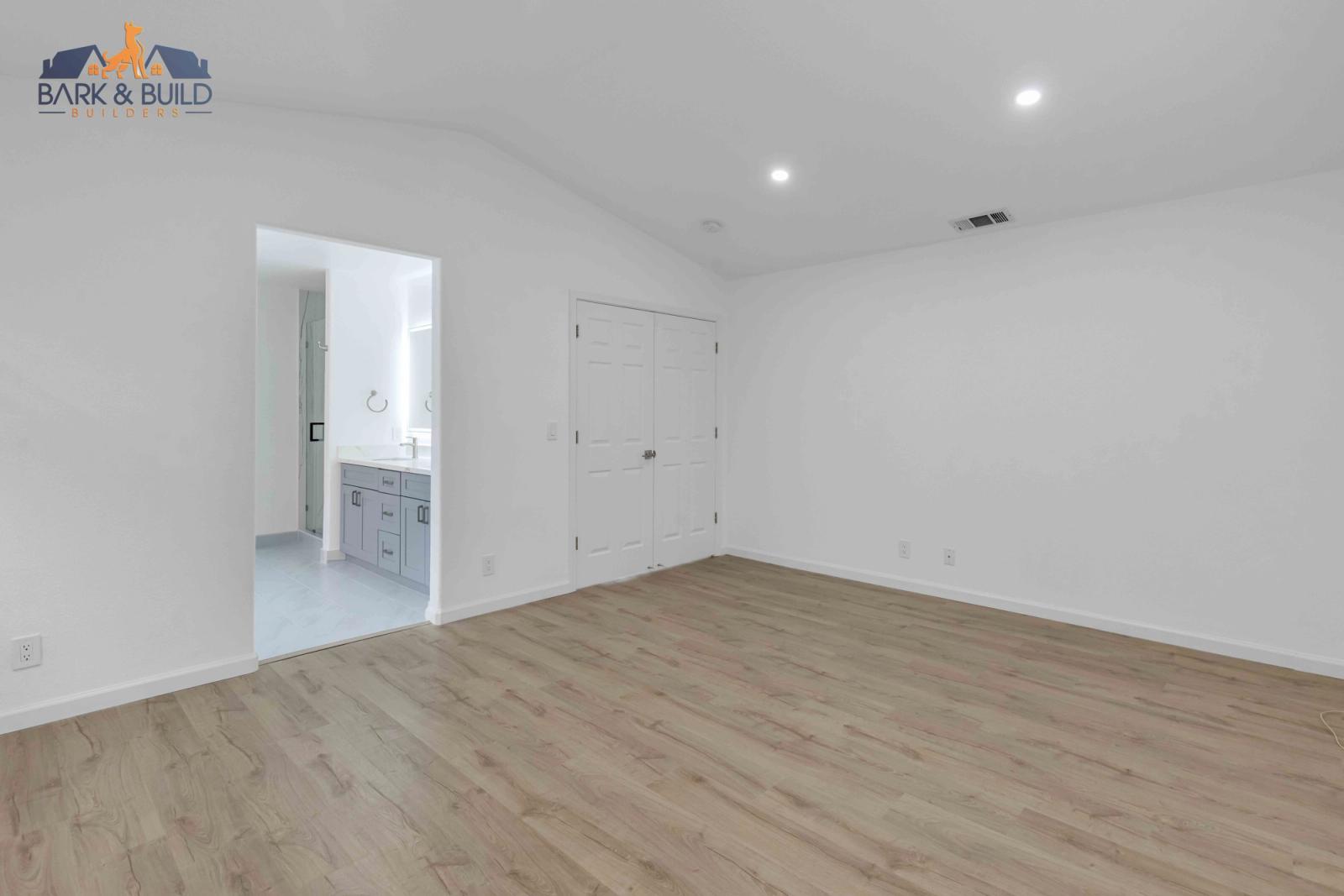
We frequently remove large sections of the original load-bearing partition and install heavy steel headers to create a wide, continuous transition between the legacy home and the new square footage. We incorporate large fenestrations, vaulted ceilings, and strategically placed skylights. We also match finished ceiling heights and run flooring materials continuously from old rooms into the new wing — visual continuity that makes the addition feel native to the home's original layout.
Exterior Craftsmanship
Flawless Exterior Finishes & Historical Material Matching
The hallmark of a professionally executed home addition is an exterior finish that leaves no trace of the construction process. A flawless transition between weathered legacy stucco and a brand-new wall preserves the home's architectural integrity and signals premium craftsmanship to future buyers.
For homes in Mount Carmel or Edgewood Park, our plastering crews analyze the aggregate size, trowel patterns, and specific inconsistencies in the legacy stucco. We meticulously layer the new scratch and brown coats, floating the finish coat to replicate the heavy dash or smooth Santa Barbara texture of the original house. When dealing with wood siding, we source exact profile matches or custom-mill cedar lap siding. We paint the entire elevation simultaneously to ensure the new building envelope reads as one cohesive, original structure.
Utility Upgrades
Comprehensive MEP Infrastructure & Smart System Upgrades
Expanding the physical footprint of your home places new demands on your existing MEP systems. The legacy infrastructure of mid-century Peninsula homes was engineered for smaller envelopes, and a premium addition requires upgrading those systems to match the new square footage and modern energy expectations.
If your home operates on a 100-amp electrical panel, adding a new master suite with a dedicated heat pump and floor heating calls for a service upgrade. We proactively upgrade your main electrical service to 200 or 320 amps. We calculate the new cubic volume to determine whether you need a dedicated ductless mini-split or an upsized central HVAC unit. We also trace existing cast-iron waste lines and perform precision slab trenching to tie new bathroom drains directly into the main sewer lateral.
Investment
Transparent Investment Tiers for Room Additions
Standard Expansion (200–400 sqft)
$450 – $550/sqft
New foundation footings, structural framing, roofline integration. Basic interior finishes. Electrical and plumbing rough-in. Stucco or siding matching. Title 24 compliance. Ideal for bedroom or home office additions.
Premium Suite (400–600 sqft)
$550 – $700/sqft
Expanded master suite with dedicated bathroom. Custom cabinetry and premium flooring. Steel headers for wide openings. Panel upgrade to 200-amp. Geotechnical soil report and deep pier foundation if required. Full exterior matching.
Estate-Level Expansion (600+ sqft)
$700 – $800+/sqft
Major lateral expansion with structural steel. Deep helical pier foundation on Bay Mud. Multi-zone HVAC. Complete MEP overhaul including 320-amp upgrade. Luxury stone, custom millwork, and smart-home integration. Full geotechnical remediation.
For a 400 sqft addition, expect total investment of $180,000 to $320,000+. Pricing includes foundation engineering, geotechnical soil reports, permits, and complete exterior matching. Final budgets confirmed through a thorough pre-construction feasibility study.
Construction Phases
The Precision 4-to-6 Month Design-Build Process
Pre-Construction: 12–16 Weeks
Phase 1: Architectural Design, Geotechnical Testing & Permitting
Lot survey and setback analysis. Geotechnical soil report commissioned. Architectural design with roofline integration. Structural engineering calculations. Lot coverage and FAR computed. Title 24 energy reports. Multi-departmental permit routing submitted to Redwood City Building Division.
Months 1–2
Phase 2: Site Excavation, Deep Foundations & Structural Framing
Site protection deployed. Heavy excavation for new footings. Deep pier foundation if required. Concrete grade beams poured. New floor joists and sill plates tied into existing structure. Roof trusses interlocked with original rafters. Sheer wall integration. Rough framing inspections passed.
Months 3–6
Phase 3: MEP Integration, Custom Finishes & Final Inspection
Electrical panel upgrade. Plumbing and HVAC rough-in. Insulation and building envelope sealed. Stucco matching or siding transitions executed. Interior drywall, flooring, cabinetry, and fixtures installed. Steel headers for wide openings. Roofing interweaved. Title 24 verified. Final municipal walkthrough.
Property Protection
Elite On-Site Property & Landscape Protection
Bringing heavy excavation equipment and concrete trucks onto a mature residential lot calls for a disciplined site management plan. Protecting your existing driveway, legacy landscaping, and primary foundation during trenching is part of our standard daily protocol.
Before the excavator arrives, we establish rigid access pathways, laying heavy-duty plywood tracking to protect your hardscaping. When trenching for the new foundation, our operators work with extreme precision to preserve the load-bearing soil adjacent to your existing footings. We erect secure dust barriers to isolate demolition zones from your primary living areas, keeping your interior clean and habitable for as long as structurally possible.
Local Operations
Premium Room Addition Operations Across the Peninsula
Executing a complex lateral expansion calls for a localized, highly efficient supply chain. Operating from our central dispatch hub in Redwood City, we rapidly deploy heavy machinery, framing lumber, and specialized concrete crews across the entire Peninsula.
Whether we are engineering a deep-pier foundation near the Port of Redwood City or navigating the tight, tree-lined avenues of Mount Carmel to stage a crane for roof trusses, our project managers know exactly how to operate in your micro-neighborhood. We handle the complex logistics of acquiring street parking permits and rigidly enforce local noise ordinances to protect your relationship with your neighbors.

Our In-House Structural Expansion Experts
Our in-house crew of project managers, foundation specialists, framers, roofers, plasterers, and finish carpenters manages the full lifecycle of your room addition — from geotechnical soil testing through the final stucco matching. We maintain daily on-site supervision and absolute quality control. CSLB License #1119304 — fully bonded and insured.
Our Work
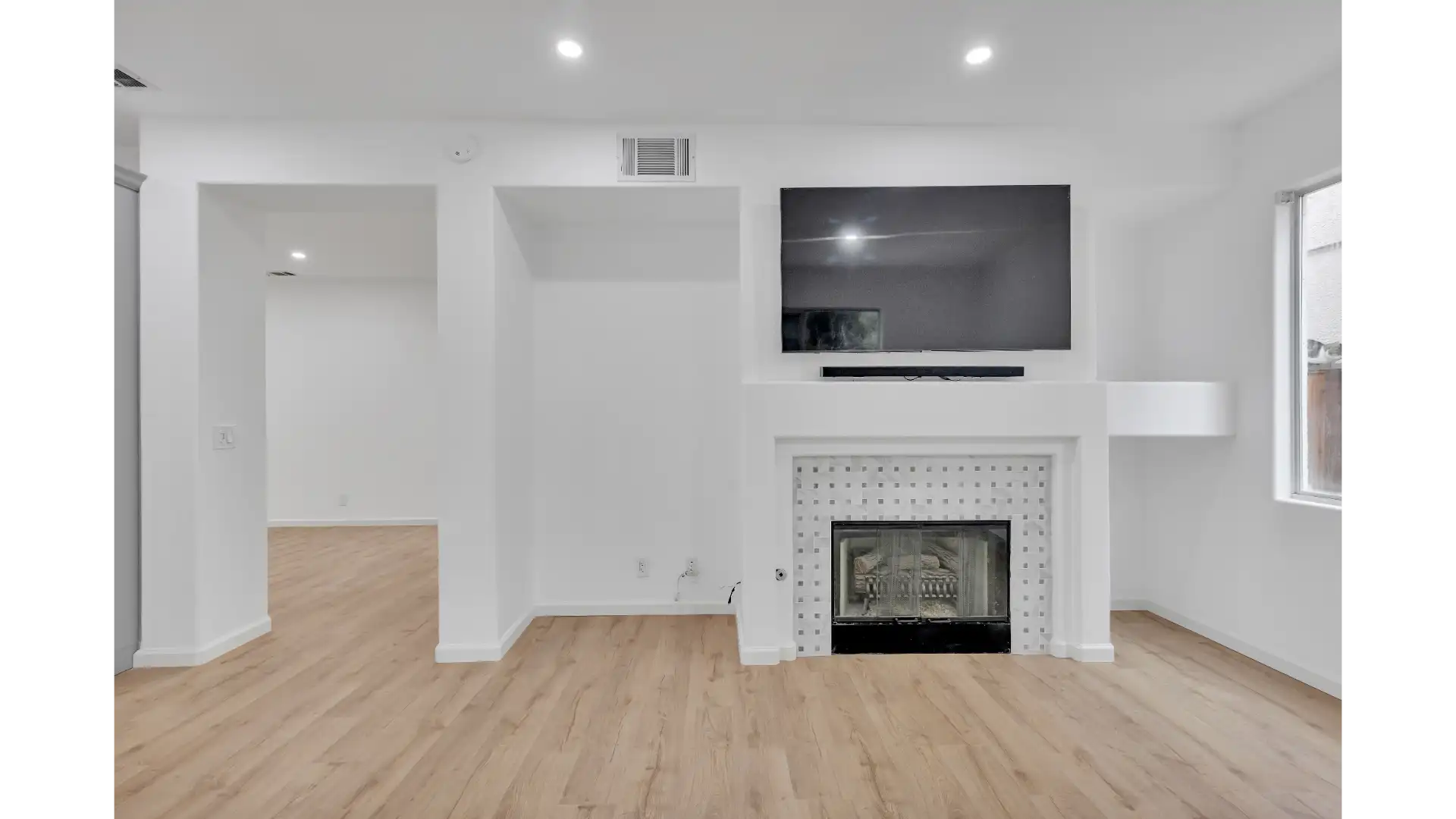


Explore Our San Mateo County Room Addition Portfolio
CSLB License #1119304
Schedule Your Strategic Expansion Consultation Today
Expanding the footprint of your home is one of the most technically demanding projects in residential construction, and it deserves a fully integrated team. We will deploy to your property, assess your lot coverage limitations, and engineer a definitive roadmap for your expansion. Contact us today.
Common Questions
Redwood City Room Addition & Expansion FAQs
How Long Does a Typical Redwood City Room Addition Project Take to Complete?
It takes 4 to 6 months of active construction to complete a ground-floor lateral room addition in Redwood City. Prior to breaking ground, the architectural design and structural engineering phase requires 12 to 16 weeks. Because lateral expansions exceeding 400 square feet are excluded from the Redwood City Building Division's One-Stop Plan Review, our team proactively manages multi-departmental permit routing to keep the schedule on track.
How Do You Handle Redwood City Room Addition Permits & Inspections?
We handle 100% of the permitting and inspection process directly with the Redwood City Building Division. Room additions greater than 400 square feet or projects valued over the state's $170,466 threshold require rigorous structural plan checks. We submit complete architectural plans, Title 24 energy calculations, and geotechnical soil reports upfront, ensuring your building envelope expansion passes local zoning audits seamlessly.
What Are the Fire Sprinkler Codes for Room Additions in Redwood City?
Redwood City enforces the "50% Rule" for residential fire sprinklers. If your new addition, combined with any substantial remodeling, exceeds 50 percent of the main living area, the city requires installation of an automatic fire sprinkler system throughout the entire home. We engineer your lateral expansion to either stay strategically under this threshold or integrate the necessary fire-rated assemblies and water supply upgrades.
Will a Redwood City Room Addition Disrupt My Daily Routine?
A major ground-floor lateral addition involves significant activity during heavy excavation and framing. However, unlike a down-to-the-studs whole-home remodel, you can typically remain living in the primary residence throughout. Our site managers use temporary shear walls, negative air pressure, and HEPA scrubbers to fully isolate the construction zone from your existing living space.
What Warranties Are Included With a Redwood City Room Addition?
We provide a 10-year structural warranty and a 1-year cosmetic finish warranty on all room addition projects. Because we utilize deep concrete footings and LVL beams, your new structural framing is engineered to perform reliably on Peninsula soils across the long term. We also transfer all original manufacturer warranties directly to you for newly installed mechanical and electrical components.
What is the Average ROI of a Room Addition When Selling in Redwood City?
The average ROI for a permitted room addition in the San Mateo County real estate market is 60% to 70%. Adding functional square footage such as an expanded primary suite drives meaningful property valuation gains in high-demand neighborhoods like Edgewood Park. By executing flawless roofline integration and matching existing stucco textures, we maximize this return by making the new footprint look native to the original architecture.
Does a Redwood City Room Addition Trigger a Full Property Tax Reassessment?
No, adding square footage does not trigger a full property tax reassessment under Proposition 13. The San Mateo County Assessor's Office will only assess the newly added square footage as "new construction," adding its value to your existing tax base. Your primary dwelling's original assessed value remains fully protected, making a lateral addition a highly tax-efficient way to build property equity.
Is a Free Estimate Included With My Redwood City Room Addition Appointment?
We offer a comprehensive Complimentary Project Discovery & Design Session instead of a basic free estimate. During this consultation, our architects analyze your property's precise lot coverage limits, existing load paths, and required setbacks — delivering an accurate, engineering-backed financial roadmap rather than a fragmented subcontractor bid.