Loading...
Detached ADU Construction — Redwood City & San Mateo County
Build a High-ROI Detached ADU in Redwood City Without the Nightmare of Municipal Permitting Delays
We secure ministerial approval and handle all ground-up construction so you can start generating rental income faster. Bark and Build Builders executes the end-to-end design, permitting, and ground-up construction of detached ADU projects in Redwood City — engineering code-compliant backyard cottages and in-law suites that deliver a fully habitable, income-ready residential asset.


Zoning Navigation
Decoding Local Setbacks and Overlapping Zoning
Redwood City's ADU ordinance presents overlapping layers of state mandates and highly specific local zoning restrictions. While the state pushes for housing density, the local municipality strictly enforces physical parameters. If you plan to build a one-bedroom unit, Redwood City caps the structure at 850 square feet. If you expand to two bedrooms, the limit increases to 1,000 square feet.
Placing that square footage into a backyard involves extreme precision. You must navigate a mandatory 15-foot front yard setback, a strict 6-foot separation distance from your primary dwelling, and specific utility easements that might cut right through your desired build site. Homeowners frequently attempt to draft their own site plans, only to have them rejected because their proposed footprint clips an unrecorded utility line or violates the 24-foot height restriction for pitched roofs.
Our architectural team surveys your specific lot geometry, pulls property records, and overlays the 2026 zoning constraints before we draw a single line. We position the structure to meet all municipal clearance requirements while preserving as much usable outdoor space as possible for the primary residence.
Industry Warning
The Danger of Generic Pre-Fab Drops
A highly marketed trend involves purchasing generic, pre-fabricated modular units that are dropped into the backyard by a massive crane. While manufacturers promise rapid deployment, the reality in San Mateo County is far more complicated. Modular drops frequently fail to account for specific geotechnical realities of our region.
When a factory builds a box hundreds of miles away, they are not engineering the building envelope for high-moisture coastal fog or the specific thermal performance mandates required by local energy codes. We rely strictly on custom, site-built construction — framing the structure on your lot using deep, engineered footings designed specifically for your soil profile.
Design Cohesion
Matching the Primary Dwelling's Architectural Style
Redwood City explicitly mandates that any new accessory structure must remain generally consistent in shape, material, and architectural style with the primary dwelling. You cannot drop a corrugated metal shipping container behind a 1920s Craftsman bungalow and expect to pass the design review.
Our site-built approach guarantees total aesthetic cohesion. We custom-mill exterior trim, match specific stucco textures, and perfectly match the primary home's roof pitch. This attention to architectural integration ensures your new unit enhances the property's curb appeal rather than detracting from it.
Maximizing Returns
Maximizing Your Floor Area Ratio (FAR)
In traditional residential additions, expanding your footprint triggers severe scrutiny regarding how much of your land is covered by structures. Municipalities use specific formulas to calculate your Floor Area Ratio and total lot coverage, often halting expansions that consume too much open space. However, Redwood City has implemented a critical exemption: accessory units are currently exempt from standard lot coverage calculations.
We design your floor plan to maximize every available inch of interior space. We eliminate dead hallway space, utilize vaulted ceilings to increase vertical volume, and specify compact, high-efficiency mechanical systems that do not consume valuable square footage. By engineering the layout efficiently, we deliver the maximum allowable habitable space — up to 1,200 square feet if designing a fully ADA-compliant Title 11A unit — without overwhelming the physical boundaries of your property.
Case Study — Near Sequoia High School
Navigating Narrow Access and Heritage Tree Protection on a 700-Sqft Backyard Cottage
The property featured a narrow side-yard access path and a massive 40-inch-diameter heritage oak tree dominating the rear property line. A careless contractor would have severed the critical root zone and incurred massive municipal fines.
From the Field
Hand-Dug Footings and Pneumatic Air Spades
I brought our consulting arborist to the property during the feasibility phase to map the exact root protection zone. The city's Tree Preservation Ordinance strictly protects indigenous trees with a diameter at breast height over 12 inches. Because heavy machinery could not safely pass the side yard without damaging the primary home's foundation, we mobilized a specialized, low-impact crew.
We hand-dug the foundation footings for the new unit, using pneumatic air spades to safely expose and bridge over the oak tree's structural roots without severing them. We manually transported framing lumber and concrete down the narrow side yard. By respecting the site's physical limitations and the heritage tree's legal protections, we successfully completed the build without a single neighbor complaint or city citation.
By respecting the site's physical limitations and the heritage tree's legal protections, we successfully completed the 700-square-foot build without a single neighbor complaint or city citation. That is the difference between a specialized local builder and a generic prefab drop.Owner — Bark & Build Builders, CSLB #1119304
Infrastructure
The Reality of Utility Trenching and Tie-Ins
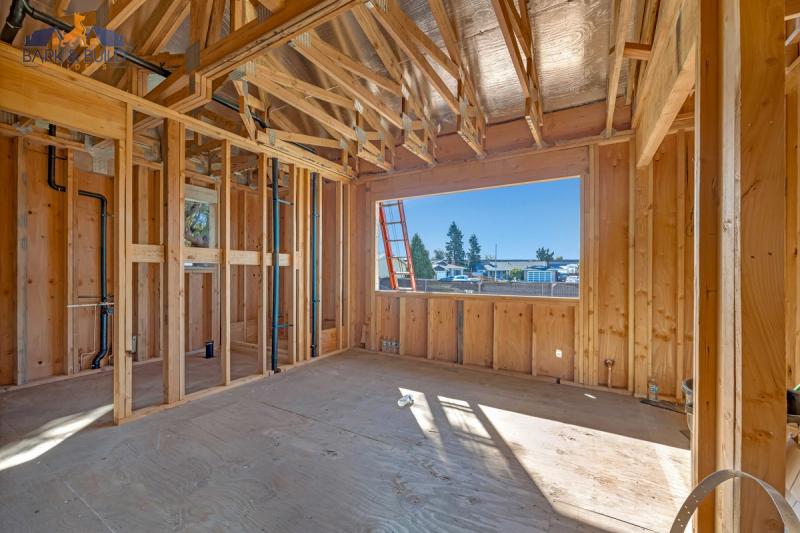
Building a second home in your backyard is fundamentally an infrastructure project. The new structure requires dedicated sewer, water, and electrical connections. We frequently encounter properties where the existing sewer lateral is compromised by root intrusion or lacks the necessary slope to handle the waste volume of an additional bathroom.
Before we finalize a contract, we scope the existing sewer lateral with a camera to verify its integrity. We also coordinate the mandatory fire flow test required by the Redwood City Engineering Department — a process with a four-week lead time — to prove the municipal water main can supply adequate pressure for the new fire sprinklers. We manage the heavy excavation, lay new Schedule 40 PVC sewer lines and high-capacity copper water mains, and ensure they are perfectly graded before passing open-trench municipal inspections.
Upgrading the Main Electrical Panel for ADU Capacity
A standard 100-amp panel on a 1950s home will immediately overload when tasked with running a secondary heat pump, an induction range, and an independent electric water heater. We proactively execute a heavy-up on your primary service, upgrading to a 200-amp or 320-amp system. We then trench a dedicated sub-panel feeder line to the backyard structure, guaranteeing both homes operate simultaneously without tripping breakers.
Expedited Permitting
Securing Ministerial Approval in 60 Days
The historical barrier to backyard construction was the unpredictable, subjective nature of city planning commissions. Neighbors could complain about your proposed project at a public hearing, and the city could arbitrarily deny your permit. That era is over. Under current California law, compliant accessory units are subject to strict ministerial approval.
This legal standard mandates that if our architectural plans comply with the objective, written building codes of Redwood City regarding height, size, and setbacks, the city must approve the permit within 60 days. There are no discretionary hearings, no neighborhood vetoes, and no subjective design debates.
Our firm engineers your blueprints specifically to trigger this streamlined process. We provide the structural calculations, Title 24 energy reports, and precise site plans required to compel the municipality to issue the building permit within the statutory 60-day window.
Hillside Engineering
Building a Profitable Asset Even If Your Yard is Sloped
The topography of Redwood City changes dramatically as you move west toward Emerald Hills. Many hillside properties feature steep slopes and expansive adobe-clay soils that shrink and swell with seasonal rainfall. Standard slab-on-grade foundations will crack and fail under these conditions.
We engineer stepped foundations and specialized retaining walls that integrate directly into the natural topography. We drill deep concrete piers reinforced with heavy-gauge steel rebar, anchoring the new structure into stable bedrock. We also engineer comprehensive French drain systems and subsurface catch basins to manage aggressive stormwater runoff.
Precision Placement
Engineering the Mandatory 4-Foot Setback
State legislation strictly dictates the minimum boundary lines for backyard construction. We consistently engineer structures directly on the mandatory 4-foot setback line along the rear and side property boundaries. Operating within a four-foot margin requires intense precision — if the framing crew sets the forms at 3 feet 11 inches, the city inspector will fail the location survey.
We use digital surveying equipment to pinpoint the exact property corners and verify boundary lines before the excavator arrives. Any wall built within five feet of a property boundary must be constructed as a one-hour fire-rated assembly with Type X gypsum board, fire-blocking lumber, and restricted window placements.
Smart Design
Privacy by Design and the Impact Fee Waiver
Adding a second household to a single-family lot inevitably raises privacy concerns. Placing two living structures within six feet of each other requires deliberate spatial psychology. Instead of large standard windows that look directly into the primary home's patio, we utilize clerestory windows — high-placed windows that flood the interior with natural light but sit above eye level, eliminating direct sightlines. We offset entrance doors so the tenant's pathway does not cross the primary outdoor entertainment zones.
Capitalizing on the Impact Fee Waiver
Cities routinely assess development impact fees exceeding $15,000 before a single shovel hits the dirt. However, aggressive state legislation has created a massive financial loophole. If we design your unit to remain strictly under 750 square feet of habitable space, the project qualifies for a total impact fee waiver. Redwood City cannot legally charge you park fees, traffic fees, or general development impact fees. We aggressively target this 749-square-foot mark for our investor clients, delivering a high-yield rental property while legally shielding you from thousands in municipal taxes.
Investment
Detached ADU Construction Costs in San Mateo County
Compact Studio (<750 sqft)
$300K – $375K
Qualifies for impact fee waiver. One bedroom or studio layout. Dedicated bathroom, kitchenette, and heat pump HVAC. Shared utility connections with main panel heavy-up. Ideal for maximum ROI rental income.
Standard 2-Bedroom (850–1,000 sqft)
$375K – $500K
Full kitchen, two bedrooms, dedicated bathroom. Separate electrical sub-panel. Custom framing to match primary dwelling. Fire-rated assembly on setback walls. Sewer lateral replacement if required.
ADA-Compliant Suite (up to 1,200 sqft)
$500K – $600K+
Full Title 11A accessibility compliance. Wide doorways, roll-in shower, accessible kitchen. Separate utility meters. Deep pier foundation for hillside lots. Premium finishes and smart-home integration.
Pricing includes geotechnical soil reports, utility trenching, fire flow testing, and complete municipal permitting. Budget finalized through exhaustive pre-construction feasibility study.
Construction Phases
5 to 8 Months From Design to Final Inspection
Pre-Construction: 8–12 Weeks
Design, Geotechnical & Ministerial Permitting
Lot survey and zoning analysis. Geotechnical soil report commissioned. Architectural design finalized to trigger 60-day ministerial approval. Title 24 energy reports generated. Sewer lateral camera inspection. Fire flow test coordinated with Engineering Department. Structural calculations submitted.
Months 1–2
Foundation, Framing & Utility Trenching
Site protection deployed. Excavation and deep pier foundation poured. Custom framing erected to match primary dwelling. Main panel heavy-up executed. Sewer, water, and electrical lines trenched and connected. Fire-rated assemblies built on setback walls. Rough inspections passed.
Months 3–5
MEP, Finishes & Certificate of Occupancy
Heat pump HVAC commissioned. Insulation and building envelope sealed. Drywall, flooring, cabinetry, and fixtures installed. Clerestory windows and solid-core doors mounted. Fire sprinkler system tested. Final municipal inspections. Certificate of occupancy issued. Keys delivered.
Soil Science
Coordinating Geotechnical Soil Reports
Redwood City mandates that all new detached structures must have a geotechnical soil report on file before a permit is issued. We coordinate this process immediately upon signing the design contract. We dispatch a licensed geotechnical engineer to bore soil samples from your yard and test for liquefaction risk and bearing capacity.
By completing this mandatory testing upfront, we ensure the structural engineer has the exact data required to design the foundation, preventing the city from stalling the permit application later in the process.
Property Protection
Protecting Your Property During Heavy Construction
We deploy strict site management protocols to protect your primary residence. We lay heavy-duty plywood tracking over your driveway to prevent concrete trucks from cracking your hardscaping. We erect temporary chain-link security fencing to isolate the construction zone, ensuring children and pets remain safely away from active trenching.
Redwood City enforces strict noise ordinances — construction limited to 7:00 AM to 8:00 PM on weekdays, completely prohibited on weekends and city-observed holidays. Our site supervisors rigidly enforce these hours and ensure the site is swept clean of debris at the end of every shift.
Local Operations
Serving Redwood City and the San Francisco Peninsula
Executing complex, ground-up construction requires an unshakeable local supply chain. Operating directly in Redwood City, our dispatch hub is positioned to manage daily site logistics aggressively. Whether your property sits on the flat grid near the bustling Broadway corridor or requires navigating the steep, winding roads of the western hills, our project managers possess deep operational familiarity with the local terrain.
We source framing lumber, concrete, and roofing materials from established local vendors, ensuring rapid deployment to keep our framing crews moving without delay. Our executive team is never more than a few minutes away from your property, maintaining relentless daily oversight of your backyard build.
Ground-Up Construction Team
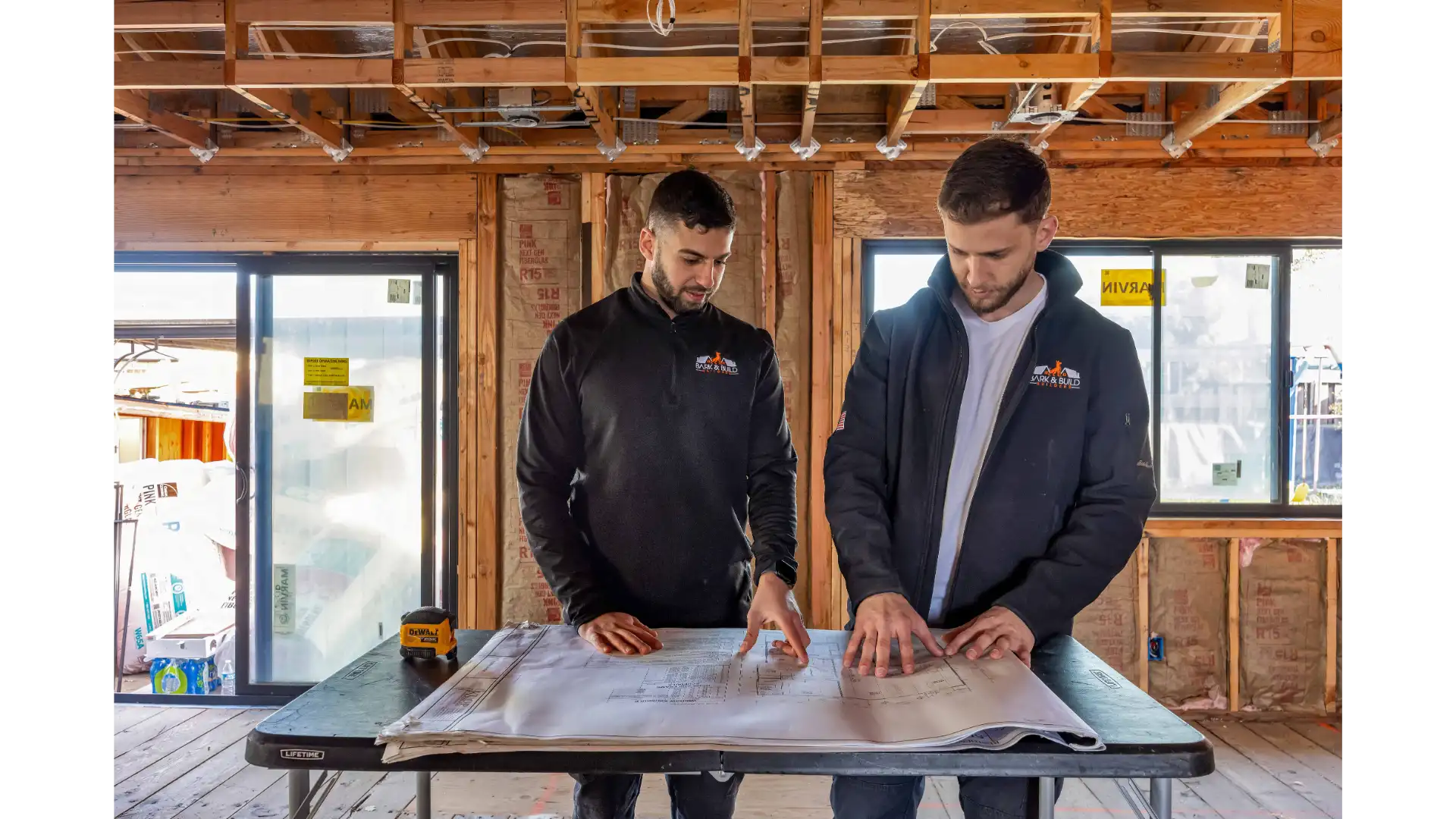
Our in-house crew of project managers, foundation specialists, framers, and finish carpenters executes every phase of your ADU build under one roof. We coordinate directly with municipal inspectors, geotechnical engineers, and PG&E to keep your project advancing daily. CSLB License #1119304 — fully bonded and insured.
Our Work
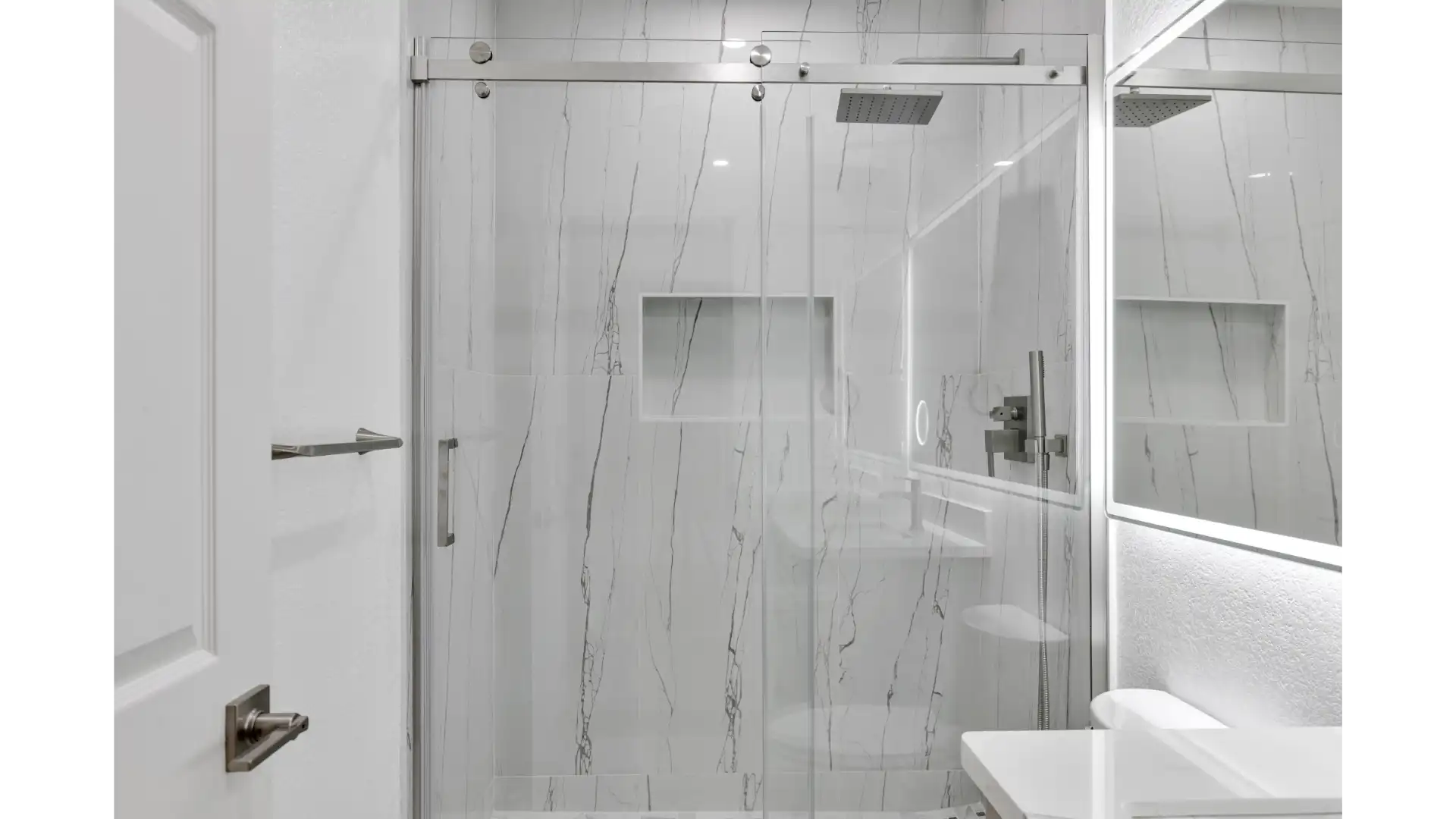
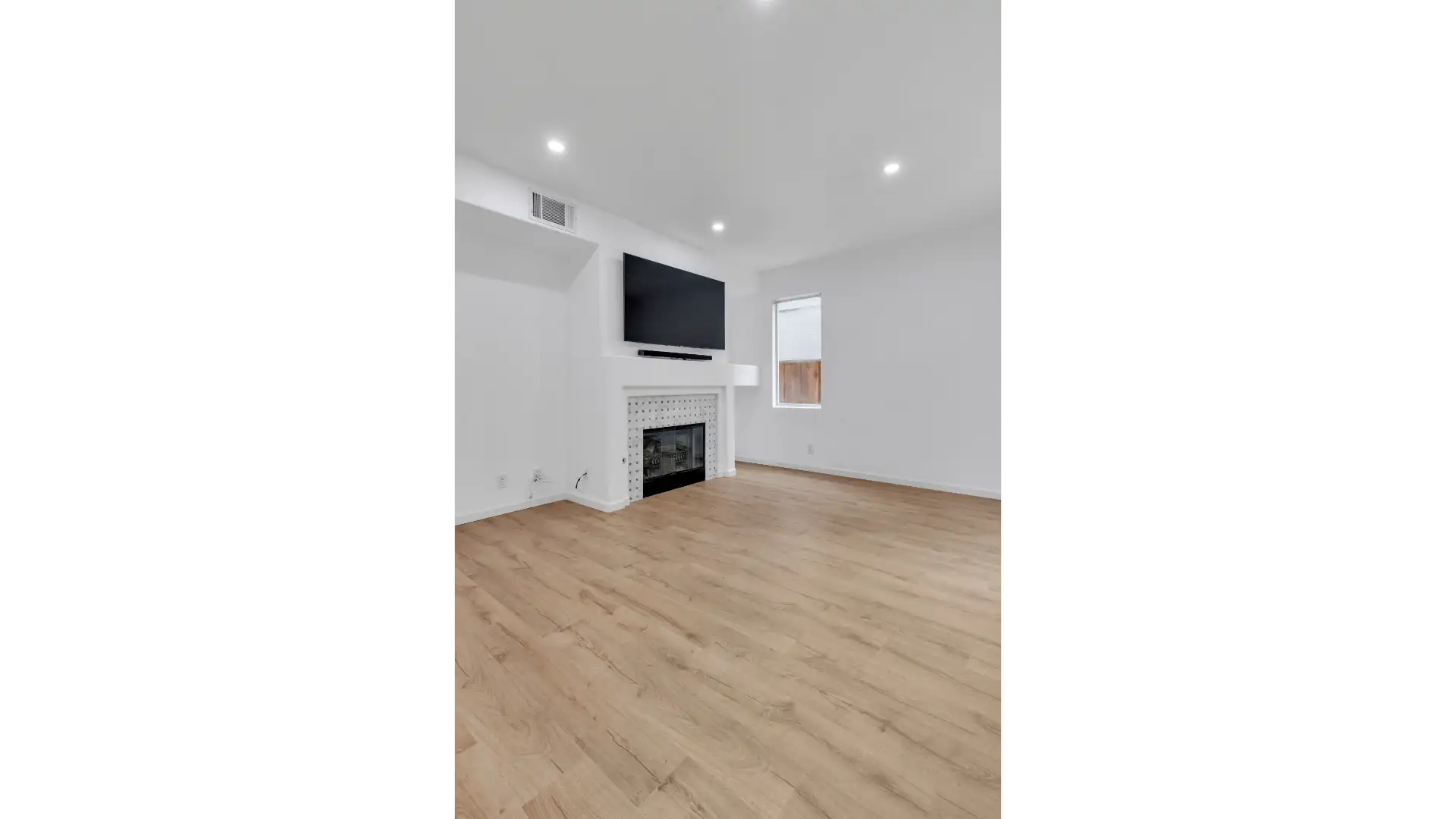


Recent ADU Projects Across San Mateo County
CSLB License #1119304
Schedule Your Complimentary Project Discovery & Design Session
Constructing an independent dwelling on your property is a highly lucrative financial strategy, but it demands an exceptionally competent construction partner. Stop navigating confusing zoning overlays — let us determine the exact physical and financial feasibility of your specific lot. Contact our team today.
Common Questions
High-Velocity FAQ: Detached ADU Construction
How much does detached ADU construction cost in Redwood City?
The baseline cost for a ground-up detached ADU in San Mateo County ranges from $300,000 to $600,000+. Pricing fluctuates based on the necessity for deep concrete piers to mitigate Holocene Bay Mud settlement and the distance required for utility trenching. We utilize 3D spatial planning to finalize your budget before excavation begins, ensuring your floor area ratio calculations and custom framing are executed without hidden change orders.
What is the average ROI of a detached ADU when selling in Redwood City?
The average ROI for a detached ADU in the Peninsula market is approximately 60% upon resale. Adding a compliant 1,200-square-foot backyard cottage dramatically increases property value in high-demand areas like the Mount Carmel district. By engineering the building envelope to meet 2026 Title 24 energy mandates, we ensure your income-producing asset appraises at the highest possible value without triggering a full property tax reassessment on your primary dwelling.
How long does a typical detached ADU project take?
A custom detached ADU project takes 5 to 8 months to complete from initial design to final inspection. The pre-construction phase requires 8 to 12 weeks to secure geotechnical soil reports and navigate Redwood City's 60-day ministerial approval window. Once the building permit is issued, we execute the physical ground-up construction in 3 to 5 months, employing a strict critical-path schedule.
What warranties do you offer on detached ADU labor and parts?
We provide a 10-year structural warranty and a 1-year cosmetic finish warranty on all detached ADU builds. Because we utilize custom site-built construction rather than generic modular drops, your new foundation footings and fire-rated assemblies are guaranteed to withstand Bay Area seismic forces. We also transfer all original manufacturer warranties directly to the homeowner for premium components.
What is the difference between shared utility connections and separate meters?
Separate utility meters can cost an additional $10,500 to install, but allow tenants to pay their own utility bills directly. Shared connections tie the ADU into the primary home's existing infrastructure, requiring a main electrical panel heavy-up to 200-amp or 320-amp capacity. We coordinate directly with PG&E and the Redwood City Engineering Department to manage the required trenching and sub-panel feeder lines.
Will ADU construction work if I have no extra driveway space for parking?
Yes, state law exempts detached ADUs from off-street parking requirements if your property is within one-half mile of public transit. Because much of Redwood City is near major transit hubs like the Caltrain station and El Camino Real bus routes, most homeowners do not need to pour a new concrete driveway. Our architectural designers verify this transit exemption for your specific lot.
What are the specific Redwood City codes for ADU owner-occupancy?
Redwood City does not require owner-occupancy for standard detached or attached ADUs. You can legally rent out both your primary dwelling and your new backyard cottage simultaneously to generate maximum rental income. However, under the 2026 AB 1154 updates, Junior Accessory Dwelling Units (JADUs) require owner-occupancy unless designed with independent sanitation facilities.
Is a free estimate included with my ADU feasibility appointment?
We provide a high-value Complimentary Project Discovery & Design Session instead of a basic free estimate. Our architect-led session involves a rigorous preliminary assessment of your property's setbacks, zoning constraints, and utility capacity — delivering an accurate financial roadmap based on objective municipal data rather than a fragmented subcontractor bid.