Loading...
Attached ADUs & Garage Conversions — Redwood City & San Mateo County
Convert Your Bay Area Garage Into a Legal Living Space Without Failing Mandatory Title 24 Energy Audits
We manage the complex transition from an unconditioned footprint to a legal rental unit entirely in-house, eliminating the friction of coordinating separate trades. Bark and Build Builders transforms existing garage footprints into fully compliant, heavily insulated living quarters — handling all structural retrofitting, mandatory energy compliance documentation, and municipal permitting so your conversion never faces a red-tagged inspection.
Building Science
Overcoming Moisture in Mid-Century Peninsula Garages
Mid-century garages in neighborhoods like Mount Carmel and Woodside Plaza were built solely to store vehicles. They consist of single-wall framing with no insulation, lacking any thermal break. More importantly, they sit on concrete slabs that act as massive thermal sponges, wicking moisture directly from the damp San Mateo County soil.
If a contractor attempts to build a living space without addressing the garage's fundamental environmental exposure, the resulting unit will inevitably suffer from chronic mold, cold floors, and uncomfortable drafts. We anticipate these exact local challenges before construction begins, deploying advanced building science techniques to seal the envelope completely.
Foundation Treatment
Securing the Vapor Barrier and Subfloor
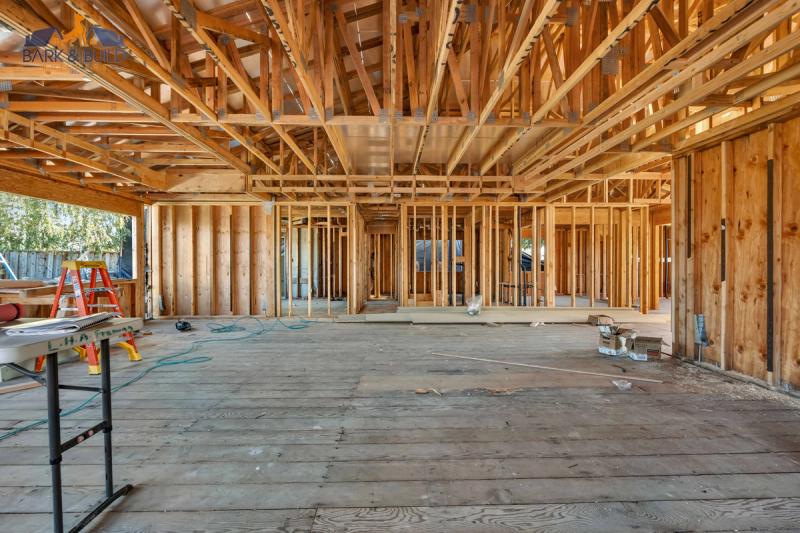
Pouring concrete in the 1960s and 1970s rarely involved modern moisture mitigation techniques such as placing poly sheets beneath the pour. To legally convert this unconditioned space into a conditioned space, we must absolutely prevent capillary action from drawing ground moisture into the room.
We apply a commercial-grade vapor barrier directly over the existing slab, utilizing advanced epoxy-sealed impermeable membranes that chemically bond to the concrete. This prevents ground moisture from migrating up into your new flooring, which would otherwise cause luxury vinyl planks to warp or hardwood to buckle.
Once the barrier is fully cured and inspected, we install a sleeper floor system or specialized engineered subfloor. This raised system provides a critical thermal break between the cold concrete and the new living quarters, allowing the room to maintain a comfortable ambient temperature without forcing the HVAC system to run continuously.
Case Study — Woodside Plaza
Converting an Attached Two-Car Garage Into a Functional In-Law Suite
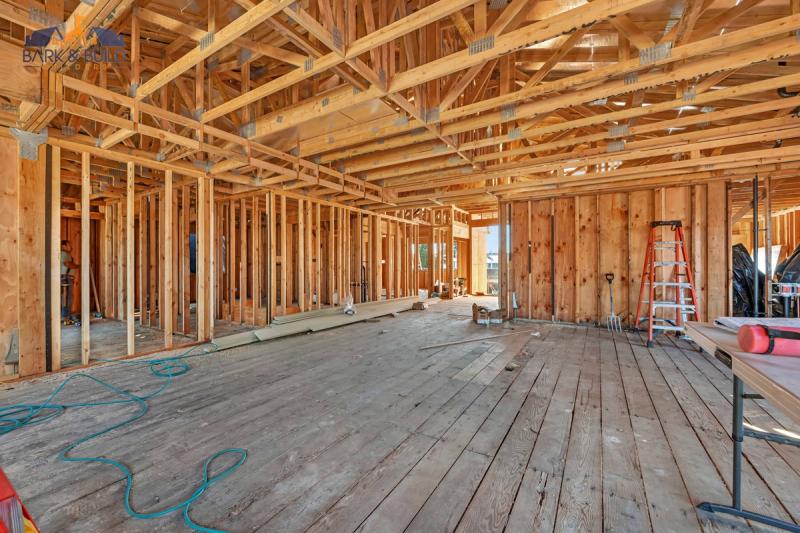
The original structure had severe water intrusion along the rear stem wall. A previous handyman suggested simply installing thick drywall and painting over the water stains — a recipe for toxic mold behind the walls within months.
From the Field
Solving Water Intrusion Before Building the Living Space
We immediately halted the handyman's plan. Instead, we trenched the exterior foundation, installed a proper French drain system to divert the runoff, and applied a negative-side waterproofing membrane to the interior concrete. Once the envelope was completely dry and secure, we executed the heavy slab trenching required to tie the new bathroom's waste line directly into the home's main sewer lateral.
We installed the proper ventilation and framed out a beautiful, accessible living space. The result was a completely dry, highly efficient attached ADU that passed all municipal inspections on the first attempt, providing a safe and comfortable home for their aging parents while adding significant equity to the property.
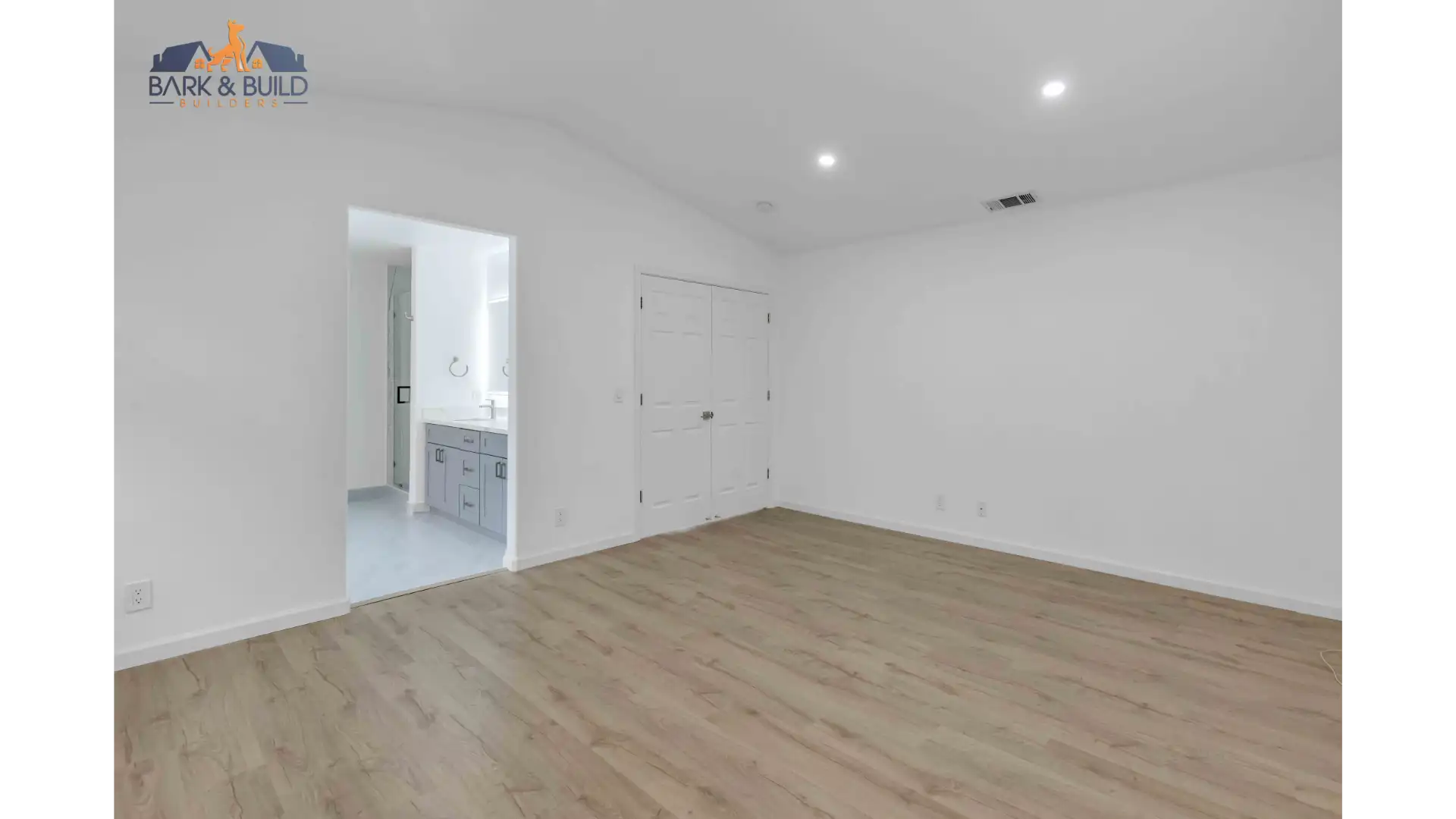
We trenched the exterior foundation, installed a French drain, and applied a negative-side waterproofing membrane. The result was a completely dry, highly efficient attached ADU that passed all municipal inspections on the first attempt.Owner — Bark & Build Builders, CSLB #1119304
Structural Engineering
Engineering the Load-Bearing Header for Garage Door Removal
The most critical structural alteration is removing the original garage door. That massive opening supports the roof load and transfers weight down to the foundation. You cannot simply frame a standard two-by-four wall into the void and expect the structure to hold.
We engineer and install a precisely calculated load-bearing header — frequently utilizing heavy-duty steel beams or Laminated Veneer Lumber (LVL) — to span the opening safely. Our in-house structural engineering team calculates exact point loads based on your specific roof assembly and local seismic requirements. This allows us to seamlessly integrate new Title 24-compliant egress windows and secure entry doors into the infill wall.
Energy Compliance
The Necessity of the CF1R Energy Report
California's energy codes treat garage conversions as entirely new conditioned space, subjecting the project to intense scrutiny under Title 24, Part 6. Before submitting the building permit application, our engineering team generates the exhaustive CF1R report.
This critical document mathematically demonstrates to municipal inspectors that the new continuous insulation, high-efficiency LED lighting, and specific fenestration U-factors meet the state's aggressive decarbonization targets. By handling this energy-compliance documentation upfront and integrating the required insulation values directly into our plans, we ensure your conversion never faces a red-tagged inspection.
Mechanical Infrastructure
Managing Slab Trenching for ADU Plumbing
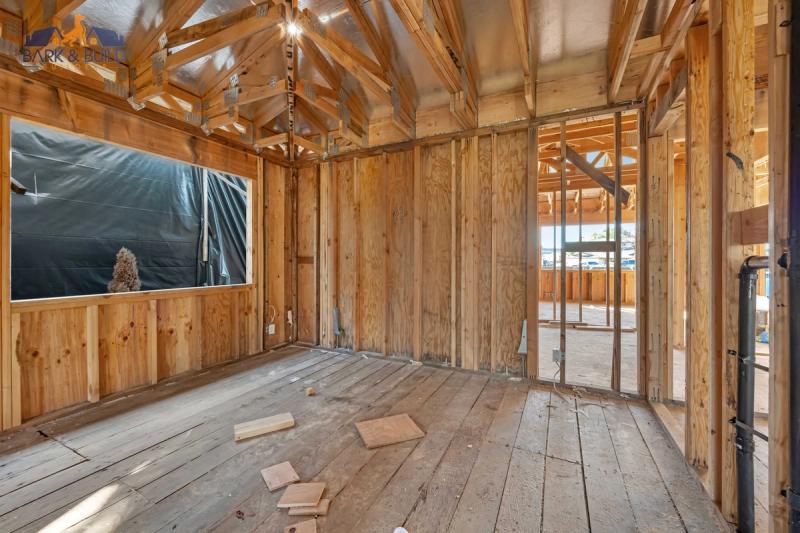
Installing a fully functional kitchen and code-compliant bathroom inside a former garage requires tying new plumbing fixtures into the existing municipal sewer system. Because garages sit directly on thick, monolithic concrete slabs, this process necessitates heavy, precise slab trenching.
We do not run exposed pipes along walls or use unreliable up-flush pump systems. Our crews use commercial concrete wet saws and specialized breaking equipment to cut precise channels into the garage floor. We lay new Schedule 40 PVC waste lines at the exact quarter-inch-per-foot slope required by the California Plumbing Code, connecting them directly to your primary sewer lateral. Once the rough-in passes the municipal hydrostatic pressure test, we pour high-strength concrete to patch the trench perfectly flush.
Life Safety
Installing the Mandatory Fire-Rated Assembly
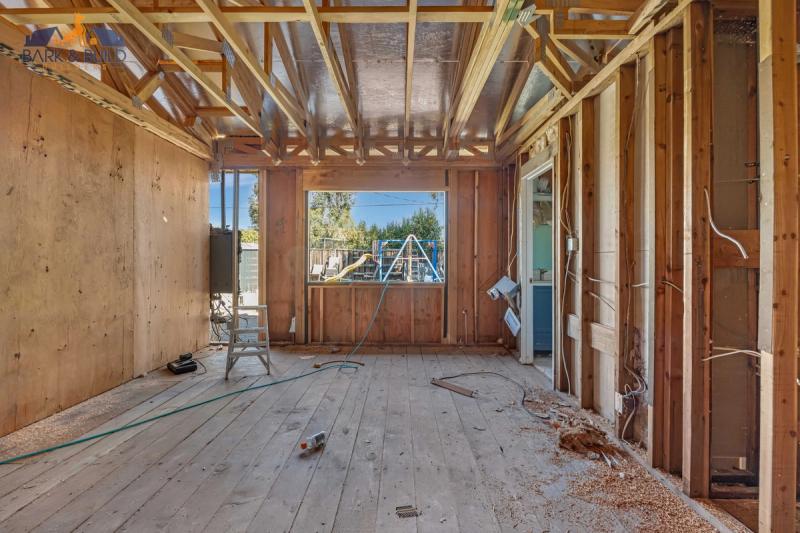
The wall separating the new independent living space from the primary dwelling must meet extremely strict life-safety codes. The California Building Code requires this partition to provide a minimum of one hour of fire-rated assembly to prevent fire from spreading between the two distinct units.
We install specialized 5/8-inch Type X fire-rated gypsum board on both sides of the shared partition wall. We use specific fire-blocking lumber techniques in the stud bays and seal all electrical boxes, ductwork, and plumbing penetrations with approved intumescent firestop sealants that expand when exposed to heat, choking off the oxygen supply. We execute these life-safety installations with zero compromises.
Industry Warning
Why Handyman Conversions Fail City Inspections
Many homeowners attempt to save capital by hiring unlicensed crews to quickly finish out a garage. A standard handyman will frame directly over untreated concrete, install unpermitted electrical circuits that overload the main panel, and completely ignore the mandatory firewall between the new unit and the primary residence.
When the Redwood City Building Division discovers this unpermitted work — often when the home is being sold — the homeowner is forced to rip out the drywall, pay steep municipal penalties, and completely rebuild from scratch. We eliminate this devastating risk through rigorous code compliance from day one.
Space Optimization
Designing a Functional Layout Even If Space is Limited
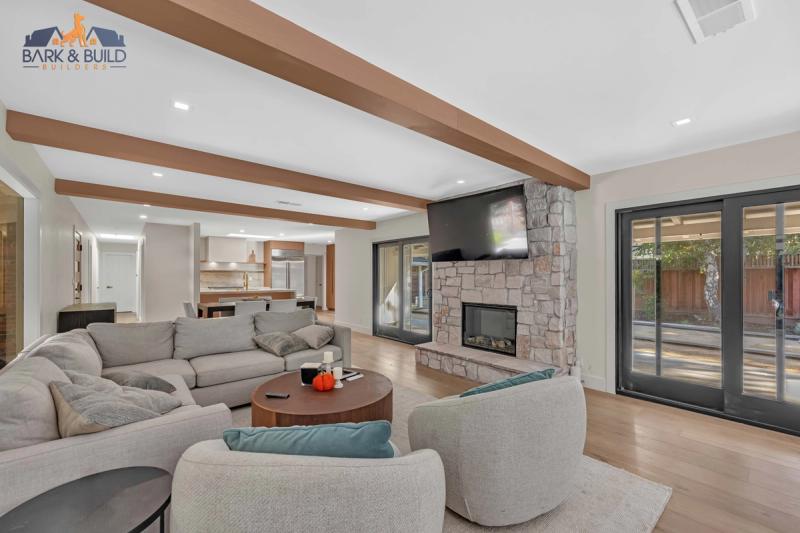
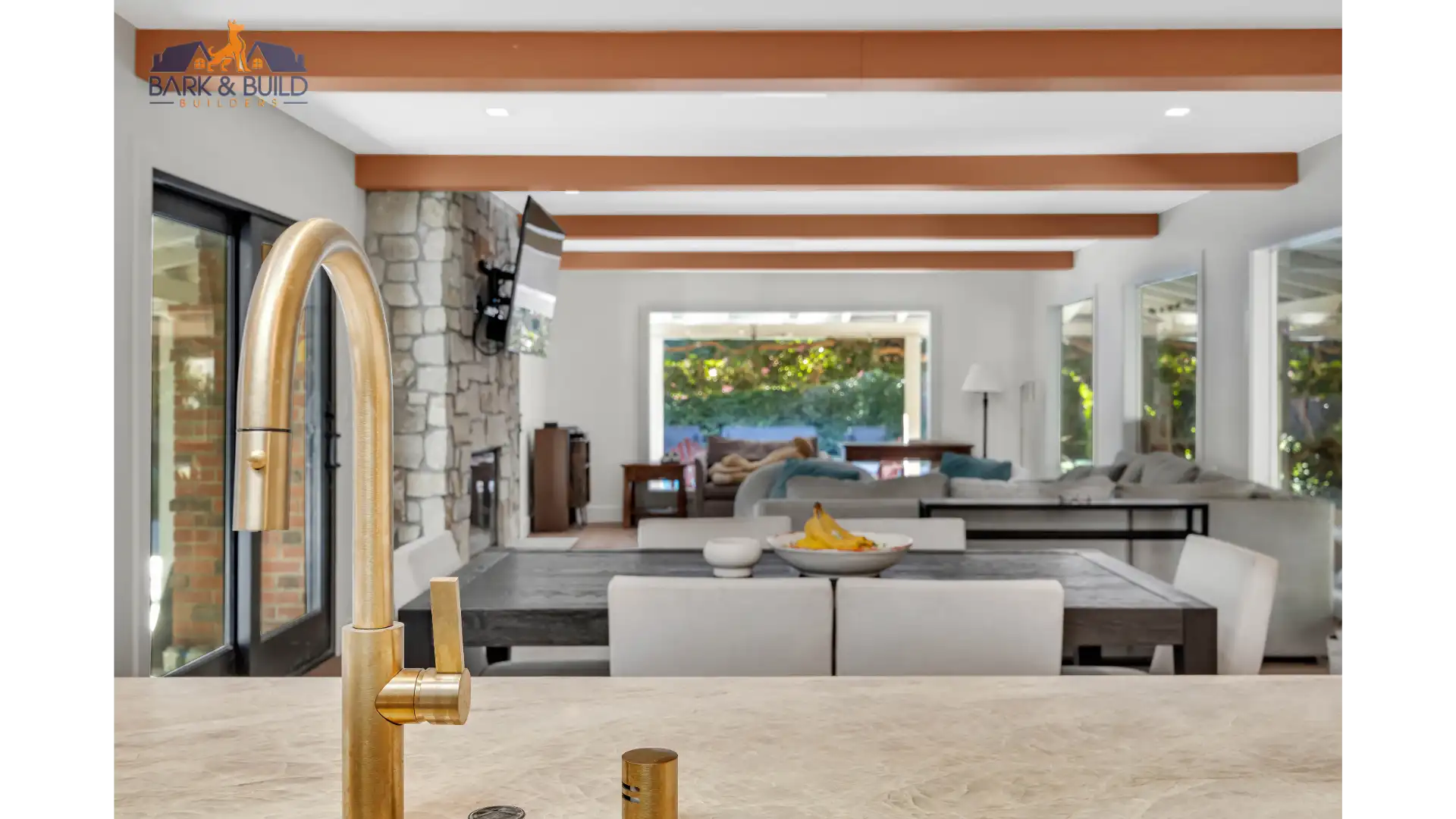
A standard two-car garage provides approximately 400 square feet of usable space. We specialize in maximizing compact footprints without making the space feel claustrophobic. We utilize open-concept planning to combine kitchen and living areas, expose vaulted ceilings wherever existing roof trusses allow, and specify compact mechanical infrastructure like tankless water heaters and ductless mini-split heat pumps.
By eliminating dead hallway space, utilizing pocket doors, and installing space-saving appliances, we carve out a comfortable living area, a fully equipped kitchen, and an ADA-compliant bathroom entirely within the existing exterior walls.
Architectural Cohesion
Matching Existing Exterior Architectural Finishes
An attached ADU should never look like a poorly planned afterthought. When we remove the original garage door and frame the new exterior infill wall, our finishing teams meticulously match the architecture of your primary dwelling. We source identical siding profiles, match the exact stucco texture, and blend the new exterior paint perfectly with the existing facade.
We ensure new egress windows and entry doors match the original fenestration style and trim details. We extend eaves and match fascia boards to ensure a completely seamless transition. By executing these high-end exterior finishes, we protect your home's curb appeal and ensure the conversion actively enhances the overall architectural beauty of your property.
Climate Control
Heating and Cooling the New Conditioned Space
Garages were never designed to be climate-controlled, meaning they lack existing ductwork and ventilation. To properly heat and cool the new conditioned space without overloading your primary home's aging HVAC system, we install independent, high-efficiency ductless mini-split heat pumps.
These advanced systems provide rapid, localized climate control, allowing the occupant to set their own temperature preferences independently of the main house. Because they move heat rather than generate it through combustion, they operate with extreme efficiency and easily meet the rigorous Title 24 energy requirements. The exterior condenser units are highly compact and operate quietly, ensuring neither you nor your tenant experiences disruptive mechanical noise.
Investment
Garage Conversion Costs in San Mateo County
Basic Studio Conversion
$150K – $180K
Vapor barrier and subfloor system. Load-bearing header installation. Insulation and drywall. Fire-rated shared wall assembly. Basic kitchen and bathroom. Ductless mini-split HVAC. Shared utility connections with panel heavy-up.
Full ADU Conversion
$180K – $225K
Complete slab trenching for dedicated plumbing. Full kitchen with custom cabinetry. ADA-compliant bathroom. Premium flooring and finishes. Exterior architectural matching. Egress windows and Title 24-compliant lighting. CF1R energy report.
Premium In-Law Suite
$225K – $250K+
Separate utility meter installation. High-end appliances and stone countertops. Luxury flooring. Smart-home integration. French drain and exterior waterproofing. Sound-dampened shared walls. Full accessibility features.
Pricing includes all permits, CF1R energy reports, structural engineering, and municipal inspections. Budget finalized during pre-construction feasibility phase before any contract is signed.
Construction Phases
3 to 5 Months of Active Construction, Title 24 Certified
Pre-Construction: 8–12 Weeks
Design, CF1R & Permitting
Architectural layout designed within existing footprint. CF1R energy report generated. Structural calculations for load-bearing header. Title 24 insulation values integrated into plans. Building permit submitted to Redwood City. Slab condition assessed. Sewer lateral camera inspection completed.
Months 1–2
Demolition, Structural & Rough-In
Garage door removed. Load-bearing header installed. Vapor barrier and subfloor system deployed. Slab trenching for plumbing waste lines executed. Electrical panel heavy-up completed. Fire-rated assembly built on shared wall. Rough plumbing, electrical, and mechanical inspections passed.
Months 3–5
Insulation, Finishes & Certificate of Occupancy
Closed-cell spray foam insulation installed. Drywall hung and finished. Exterior infill wall matched to primary dwelling. Flooring, cabinetry, and fixtures installed. Mini-split HVAC commissioned. Egress windows and entry doors mounted. Title 24 verified. Final municipal walkthrough. Keys delivered.
Legal Framework
Redwood City Replacement Parking Exemptions
A major concern for homeowners considering converting their garage is the loss of covered parking space. Under current California ADU laws, no parking replacement is required when eliminating garage parking for an ADU. This aggressive state-level deregulation is designed to encourage the creation of new housing units.
We conduct a thorough zoning analysis during our initial feasibility review to confirm your specific property's exemption. By leveraging this legal framework, we save you the massive cost of pouring a new driveway and allow you to maximize the highest and best use of your property footprint. You gain a highly profitable rental unit without sacrificing exterior space to vehicle storage.
Local Operations
Serving Redwood City and the San Francisco Peninsula
Operating centrally from Redwood City, our dispatch hub enables us to efficiently execute complex garage conversions across the entire Peninsula. From the dense, historical street grids of the Mount Carmel neighborhood to the wider, sloped lots of Woodside Plaza, our construction teams intimately understand the specific logistical challenges of building in local residential zones.
We utilize precise material staging protocols to minimize street-level disruption. We respect the strict noise ordinances of San Mateo County municipalities, ensuring crews only operate during approved hours. Our project managers provide relentless, daily supervision of your job site.
Structural Conversion Specialists
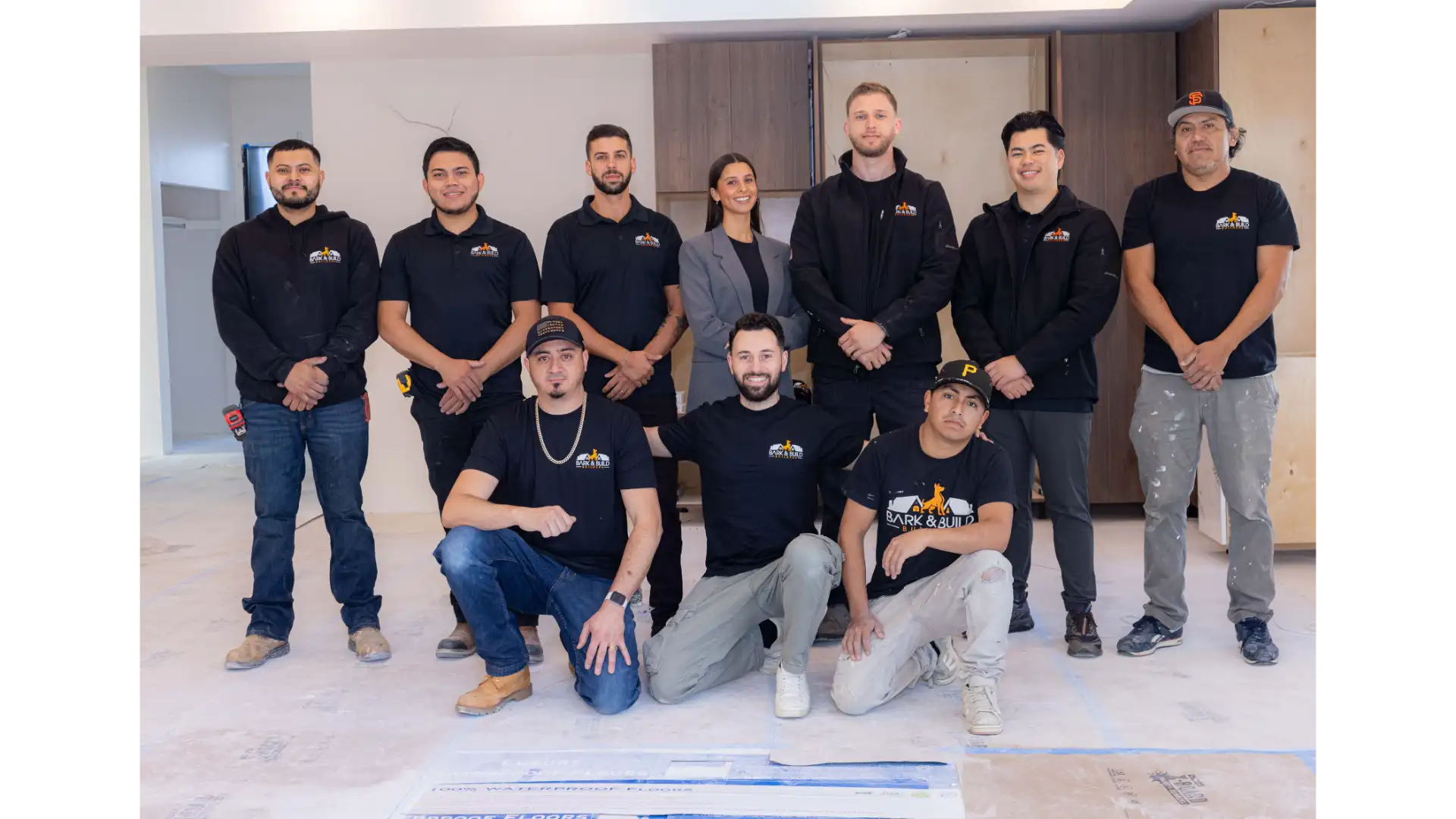
Our in-house crew of project managers, structural carpenters, plumbers, electricians, and finish specialists manages the entire lifecycle of your garage conversion — from vapor barrier installation to the final CF1R-verified municipal walkthrough. We pull every permit and pass every inspection. CSLB License #1119304 — fully bonded and insured.
Our Work
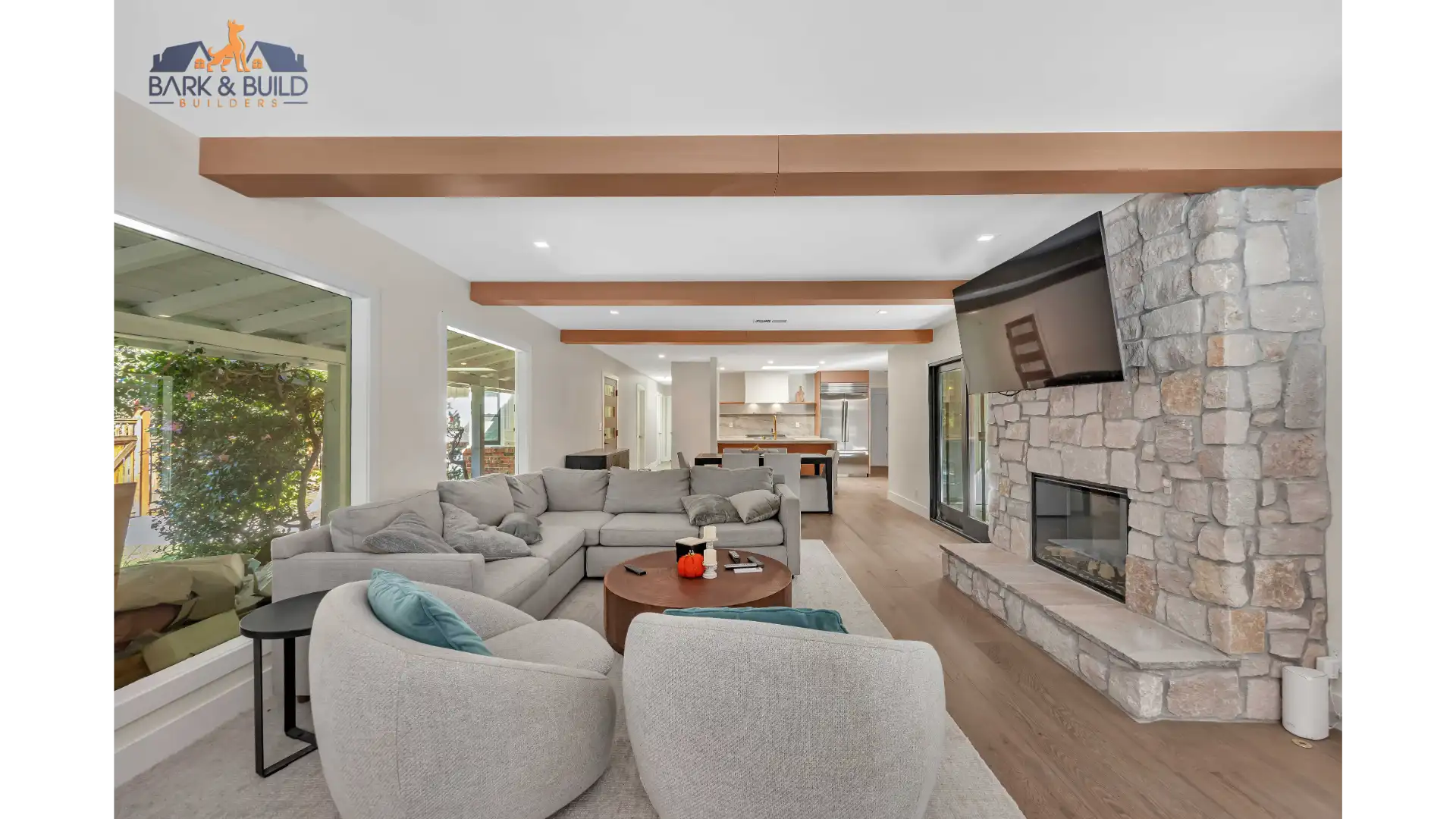
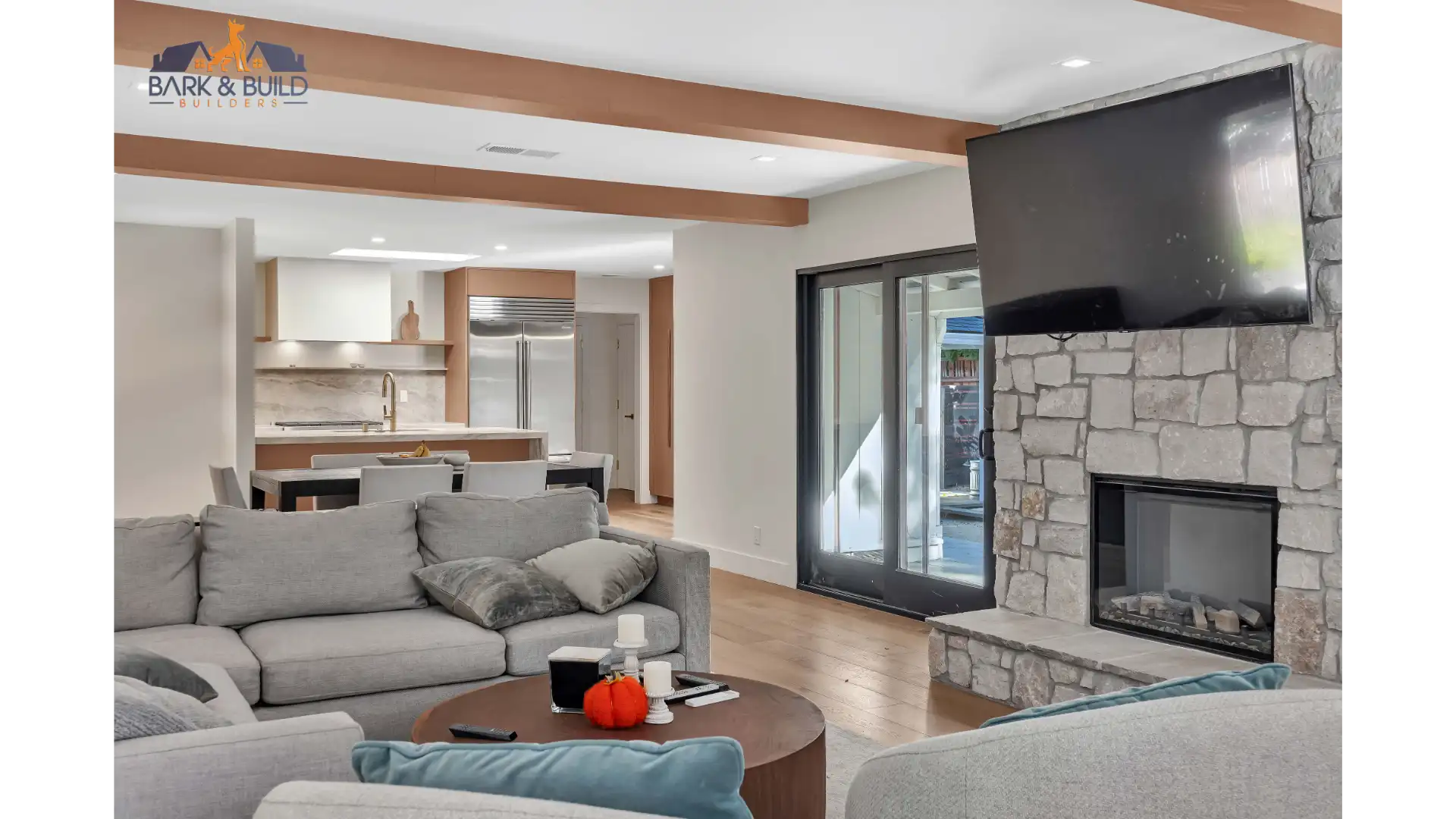
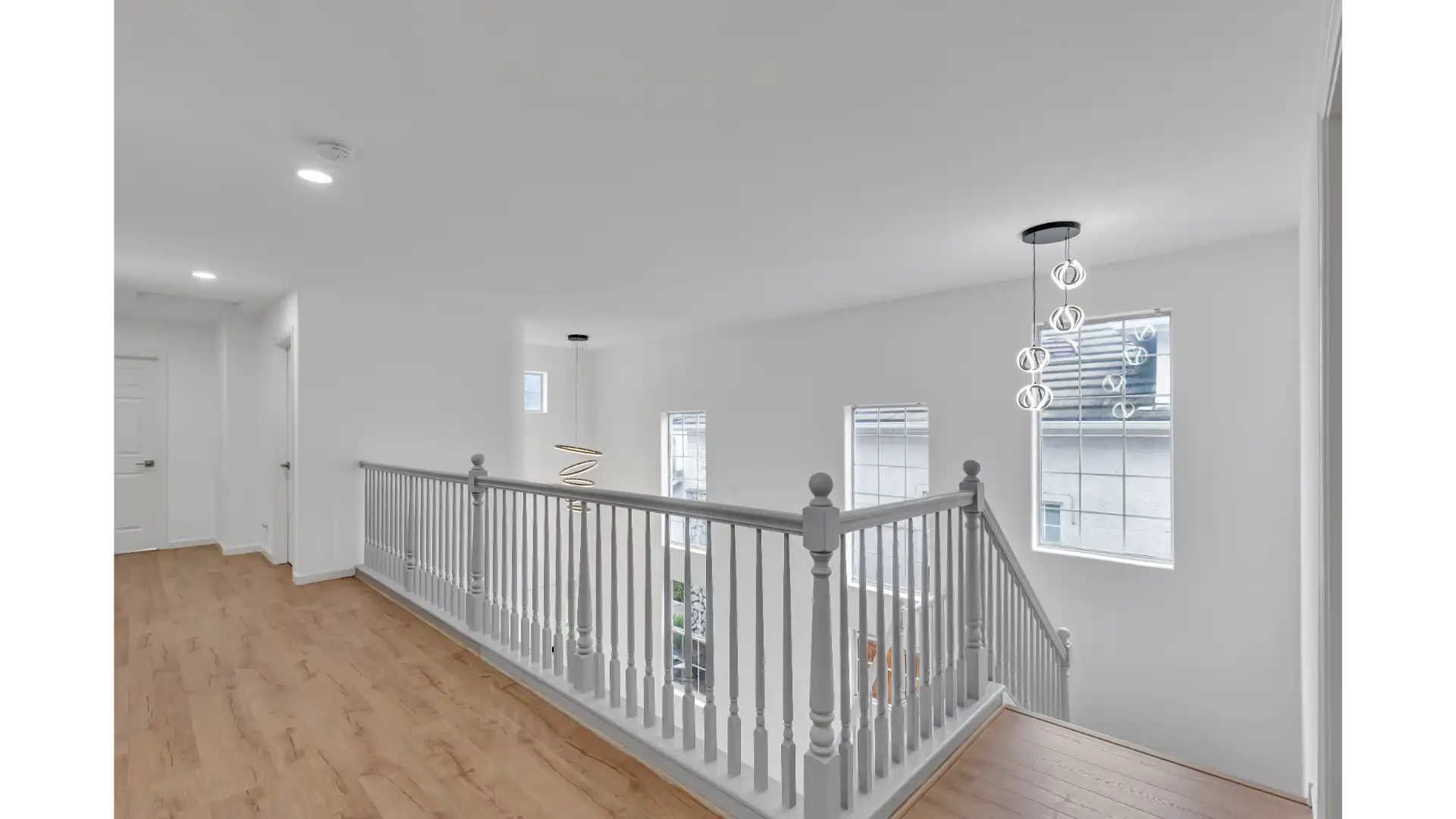
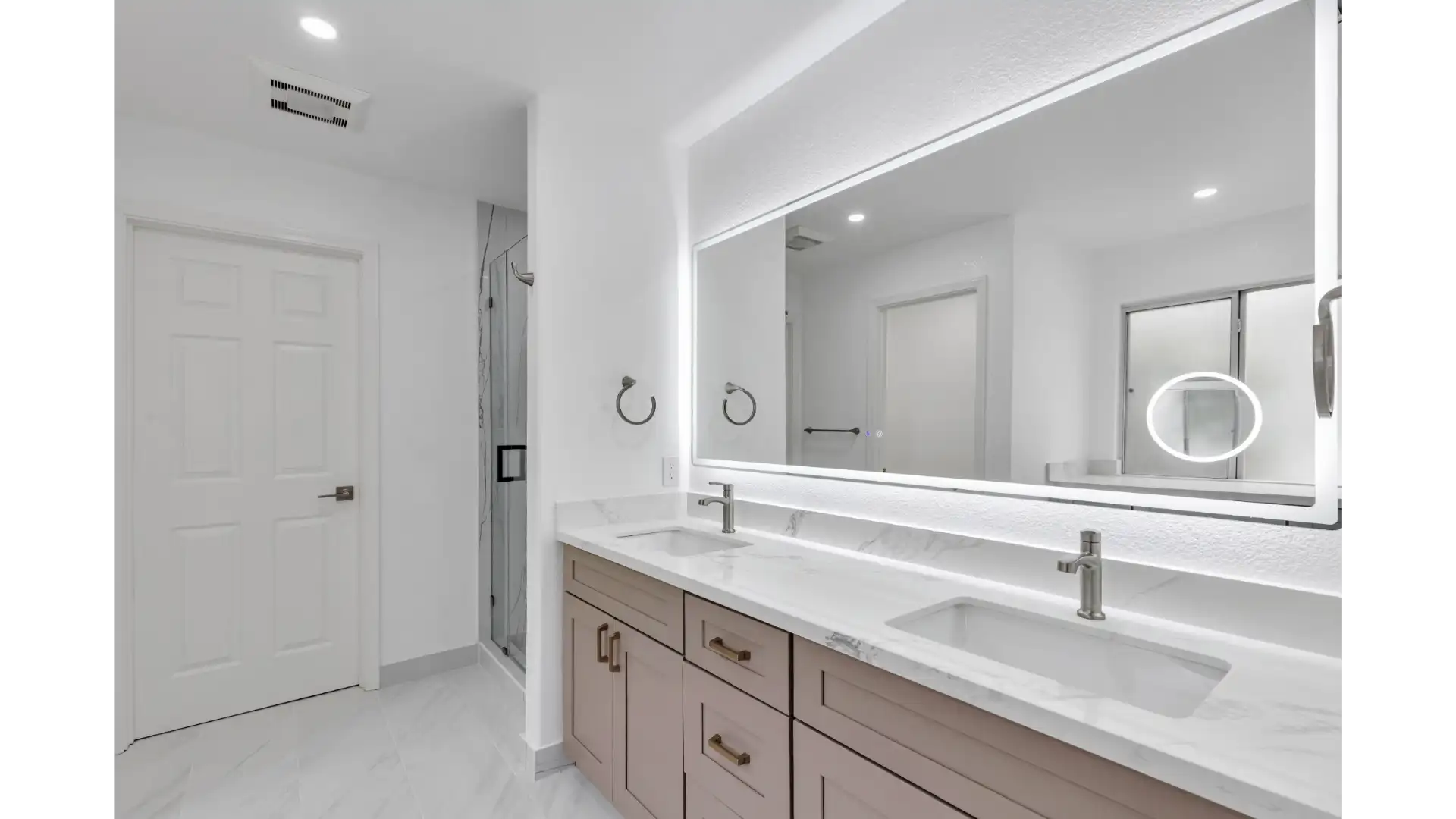
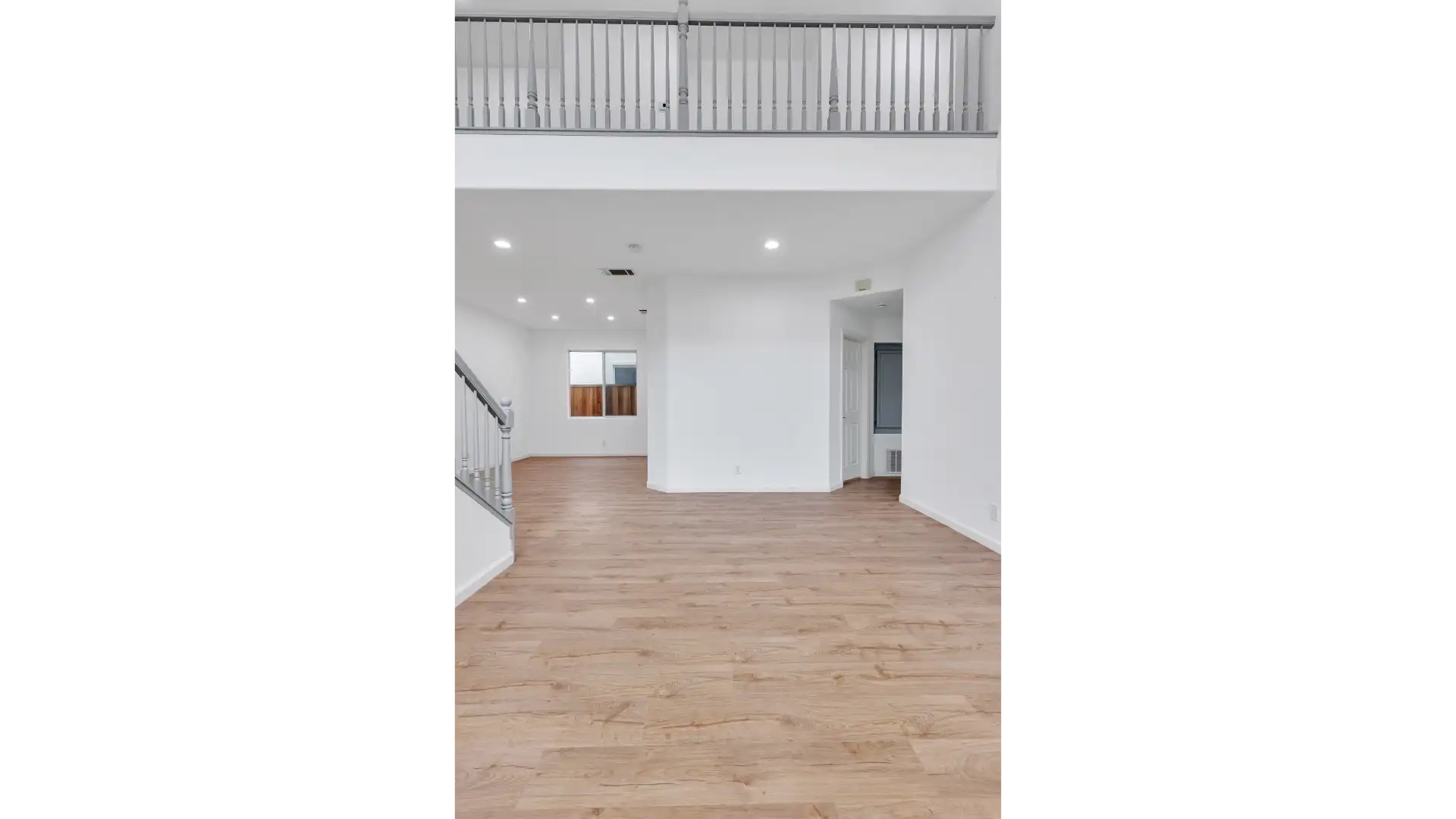
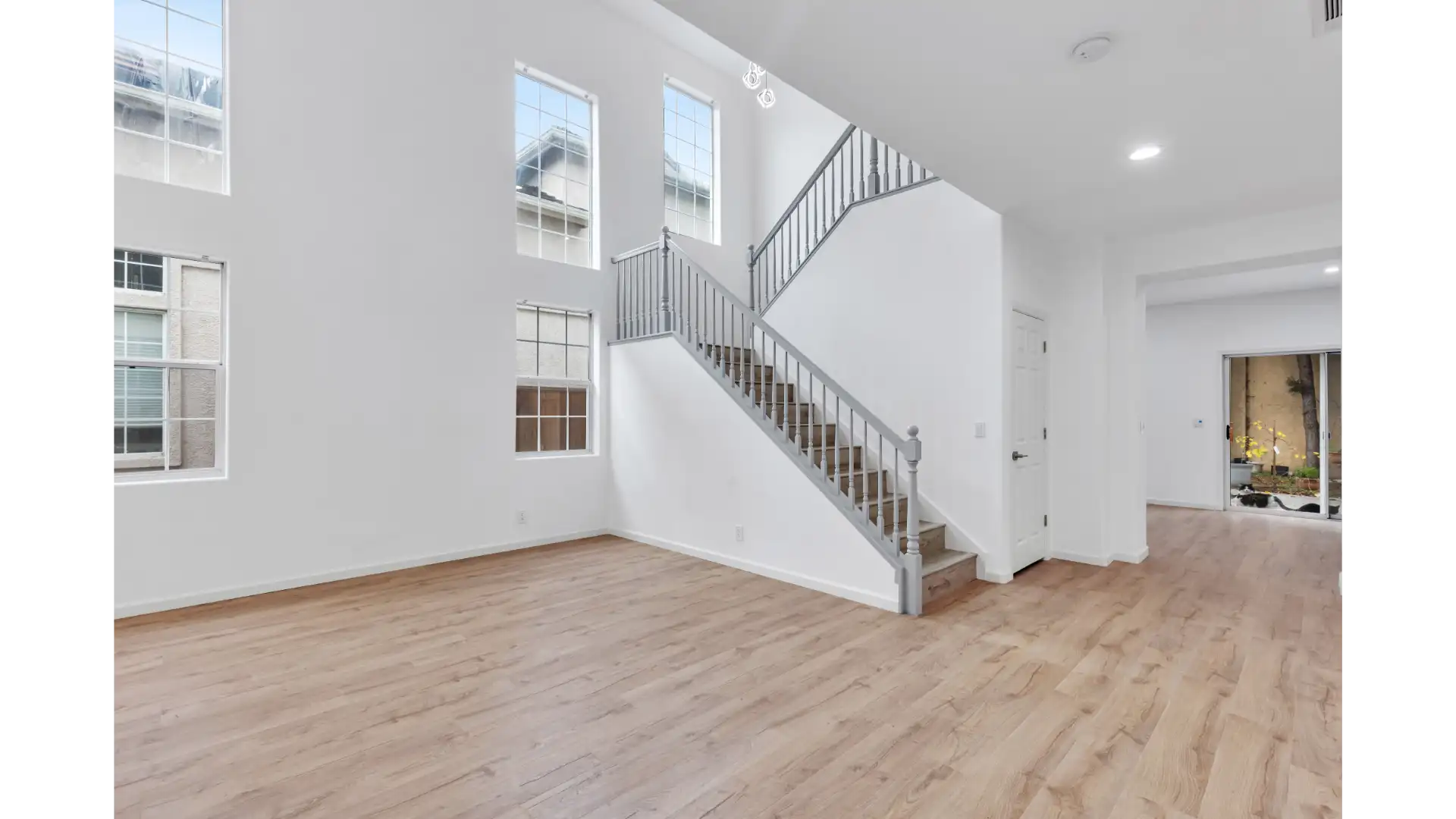
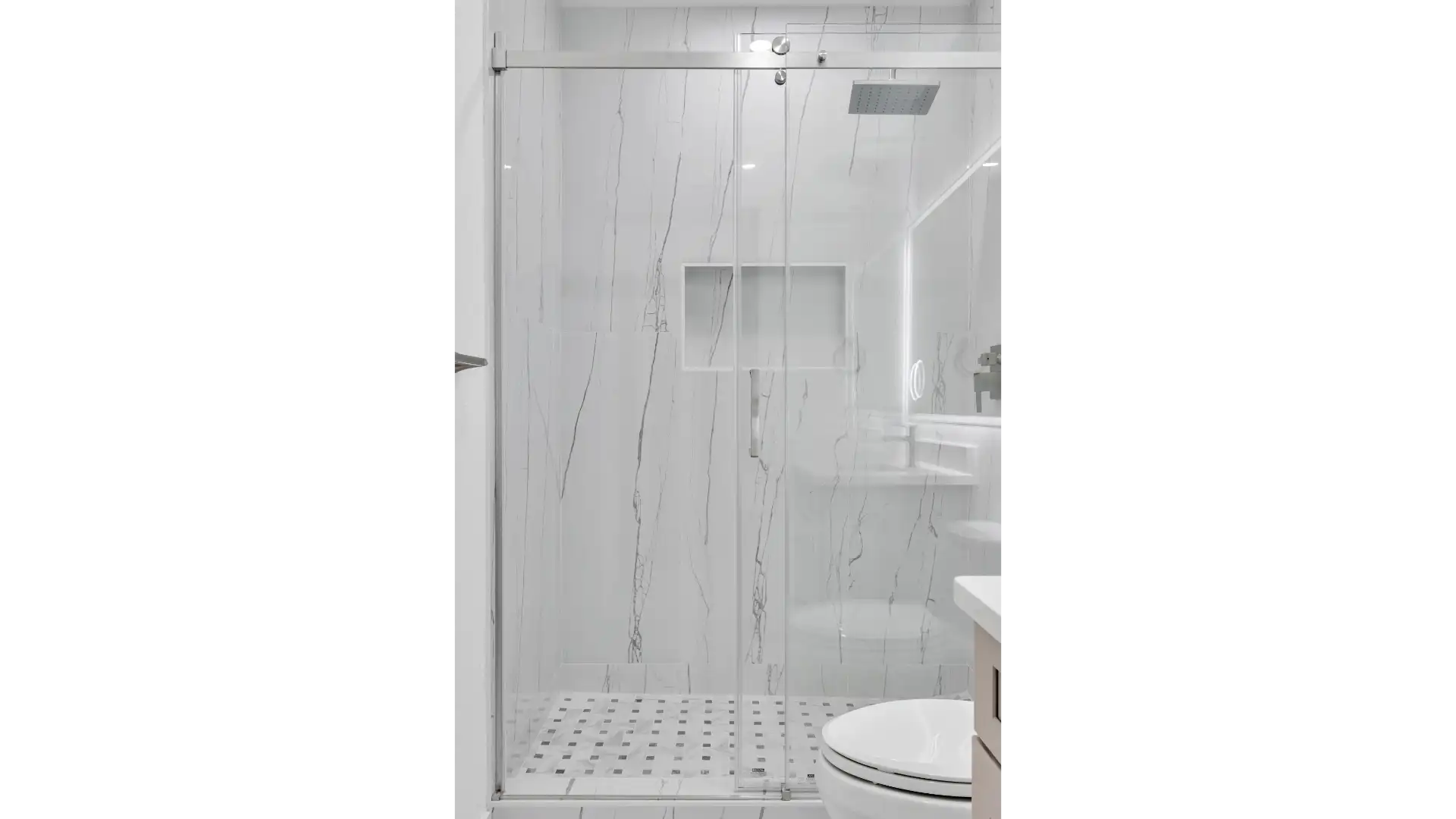
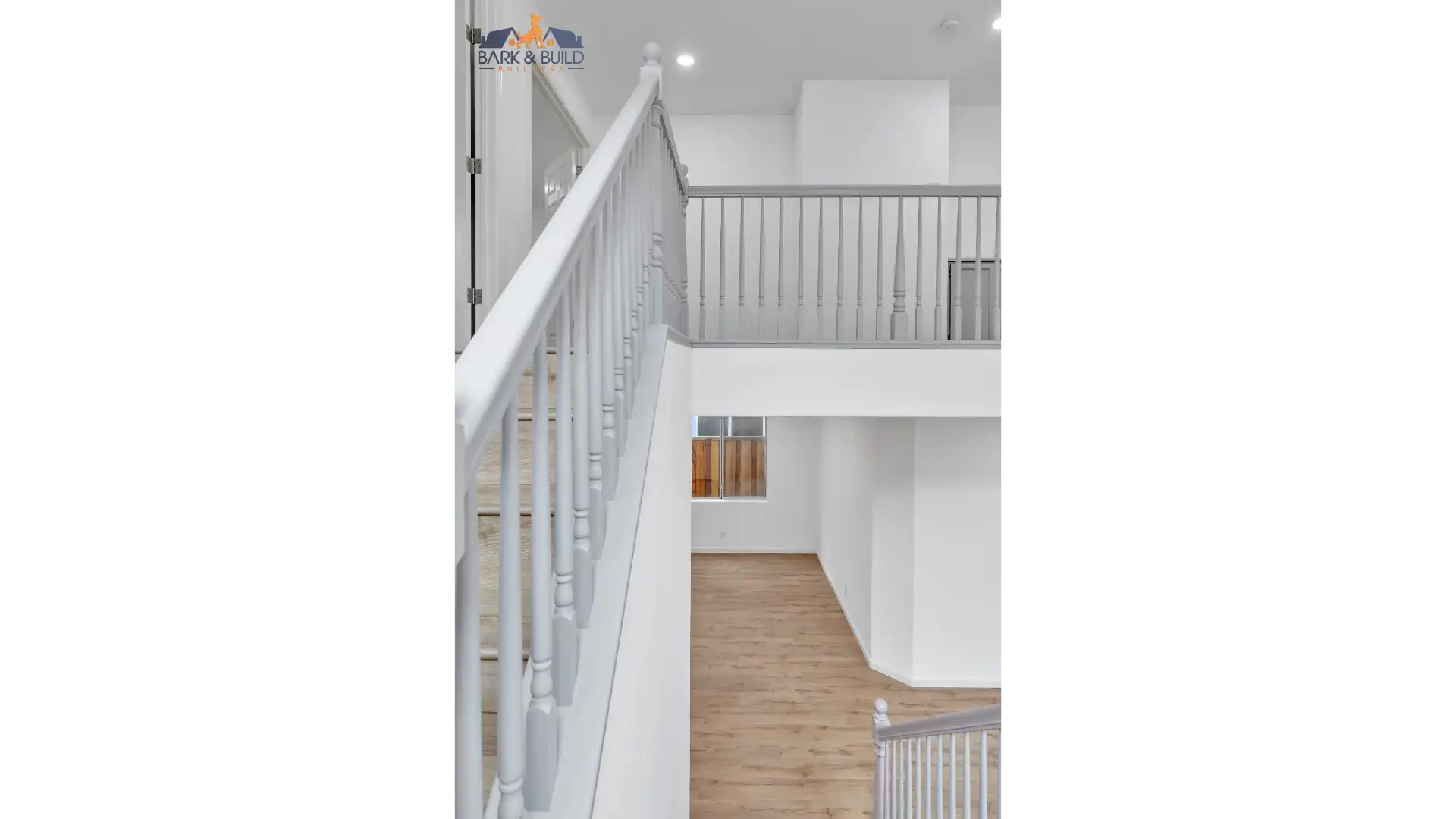
Recent Garage Conversions Across San Mateo County
CSLB License #1119304
Schedule Your Complimentary Project Discovery & Design Session
Transforming an unconditioned concrete garage into a legal, income-producing asset requires a highly sophisticated design-build partner. You cannot afford to risk your property equity on unpermitted work or failed energy audits. Contact our team today to evaluate the true architectural and financial feasibility of your existing garage footprint.
Common Questions
High-Velocity FAQ: Garage Conversions
How much does a garage conversion cost in Redwood City?
The average cost for a permitted garage conversion in Redwood City typically ranges from $150,000 to $250,000. Pricing is heavily driven by the need for intense mechanical preparations, such as slab trenching for plumbing waste lines and necessary electrical heavy-ups to support new HVAC systems. We finalize all costs during our pre-construction feasibility phase, ensuring that investments in high-efficiency mini-splits and custom cabinetry are locked in before you sign a contract.
How long does a typical garage conversion project take?
It takes 3 to 5 months of active construction to complete a fully code-compliant garage conversion. Before demolition can begin, our design-build team spends 8 to 12 weeks securing Redwood City building permits and generating mandatory CF1R reports. This realistic timeline accounts for the necessary epoxy-sealed vapor barrier curing times and thorough municipal inspections required for the fire-rated assembly.
Does a garage conversion trigger a full property tax reassessment?
No, converting a garage into an attached ADU does not trigger a full property tax reassessment under Proposition 13. The San Mateo County Assessor's Office will only assess the newly created conditioned space as "new construction," adding its value to your existing tax base. Your primary home's original assessed value remains fully protected, making this a highly tax-efficient way to add habitable square footage.
What is the difference between shared utility connections and separate meters?
Shared utility connections tie the new unit directly into the primary home's existing grid, while separate utility meters require independent PG&E accounts and incur additional installation fees averaging $10,500. Most Redwood City attached ADUs use shared connections to minimize upfront capital costs, though this often requires upgrading the main electrical panel to 200 or 320 amps. We manage all sub-panel feeder line routing and load calculations.
What are the insulation requirements for a garage conversion?
The 2026 California Building Energy Efficiency Standards require a minimum of R-15 to R-20 continuous insulation in walls and R-30 in ceilings in newly conditioned garages. Mid-century unconditioned space footprints lack thermal breaks, so we aggressively seal the building envelope with closed-cell spray foam and rigid foam boards. Our in-house engineering team generates the mandatory CF1R report to mathematically prove that the thermal envelope exceeds state decarbonization mandates.
What warranties do you offer on garage conversion labor and parts?
We provide a 10-year structural warranty and a 1-year cosmetic finish warranty on all garage conversion projects. Because we utilize commercial-grade vapor barriers and precisely engineered load-bearing headers, our installations permanently prevent the moisture intrusion and ceiling deflection common in cheap handyman conversions. We also transfer all manufacturer warranties for newly installed ductless mini-split heat pumps directly to you.
What is the average ROI of a garage conversion when selling in Redwood City?
The average ROI for a fully permitted garage conversion in San Mateo County is 65% to 75% upon resale. Buyers in the Peninsula real estate market place a massive premium on legal, income-producing attached ADUs or multi-generational suites. By ensuring absolute Title 24 compliance and using high-end architectural finishes, you maximize your property's value well beyond the initial construction cost.
Is a free estimate included with my garage conversion appointment?
We provide a comprehensive Complimentary Project Discovery & Design Session instead of a basic free estimate. During this consultation, our architects analyze your concrete slab, calculate precise load-bearing header spans, and evaluate your electrical panel capacity — delivering an accurate structural and financial roadmap rather than a fragmented subcontractor bid.